

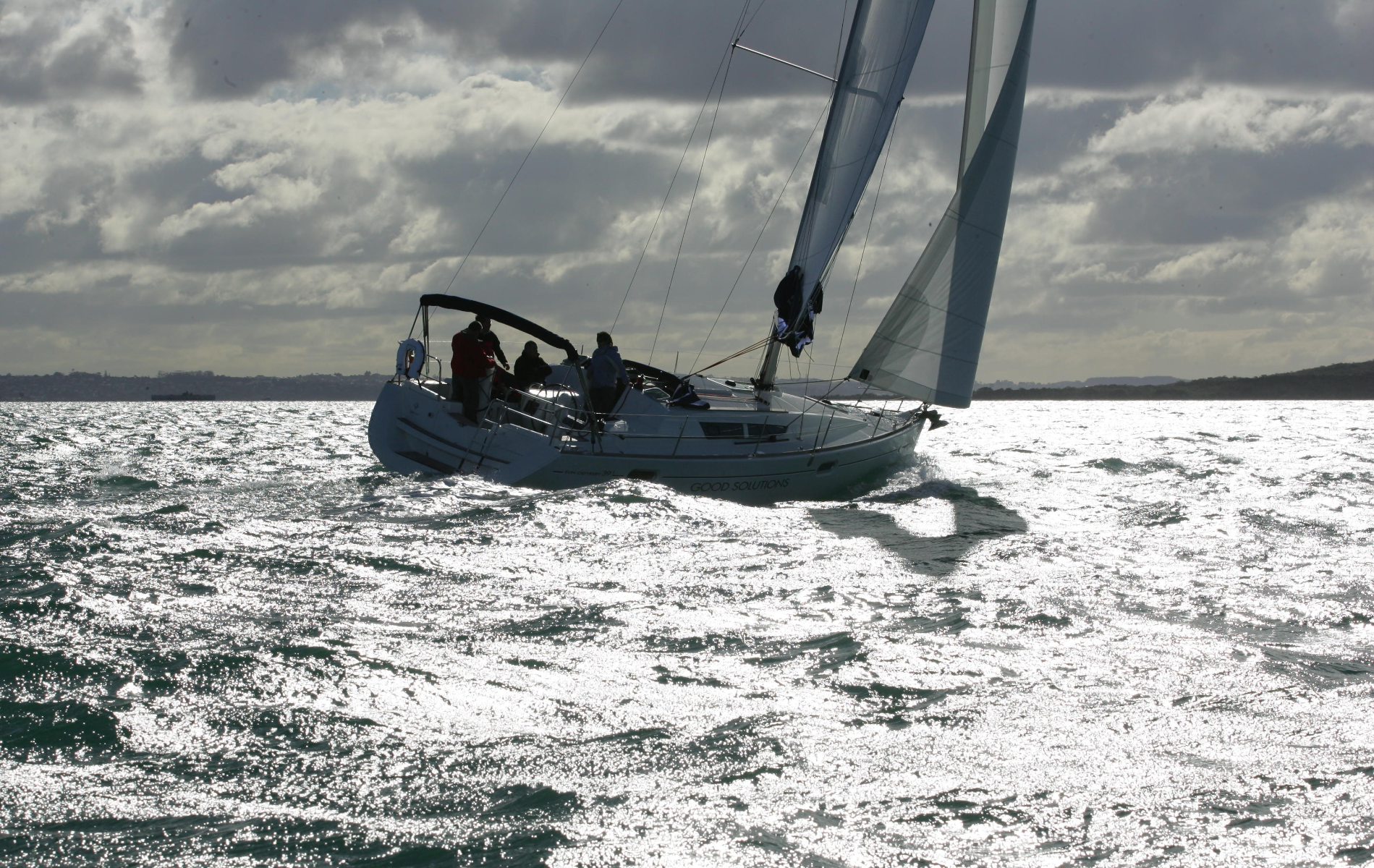
Many boaties spend autumn and winter looking forward to warmer weather while their boats sit idle on moorings, in the dry dock or parked up at home.
For those who want to keep sailing, fishing, cruising and motoring through New Zealand's colder months, it's absolutely vital to prepare for the more difficult weather and sea conditions.
Coastguard New Zealand CEO Patrick Holmes says while many recreational boaties will wind down their boating activities after Easter, others will continue to go boating throughout winter and need to prepare for changing conditions.
Winter boating brings with it additional challenges such as unpredictable weather and colder conditions. Again we'd remind people to wear a lifejacket and follow the Boating Safety Code, go to coastguard.co.nz for more information. It could save your life.
Maritime NZ Deputy Director and NZ Safer Boating Forum Chair Lindsay Sturt said last year’s high boating fatality toll had demonstrated that for some boaties, the safe boating message was not getting through.
“We urge all boaties to follow the basic safety rules – wear your lifejacket, check the weather before you go out and during the trip, take two forms of communications equipment and avoid alcohol. We want everyone to come home safely after a day out on the water this winter.”
So here’s our five-stage guide to making sure your winter boating is safe and secure:
Be prepared and let people know where you're going
New Zealand’s weather is changeable at the best of times but during winter it’s important to keep in touch with the marine forecasts and let friends and family know where you’re likely to be. Because the days are shorter, also be sure to leave enough time for your return trip if you want to be back before nightfall.
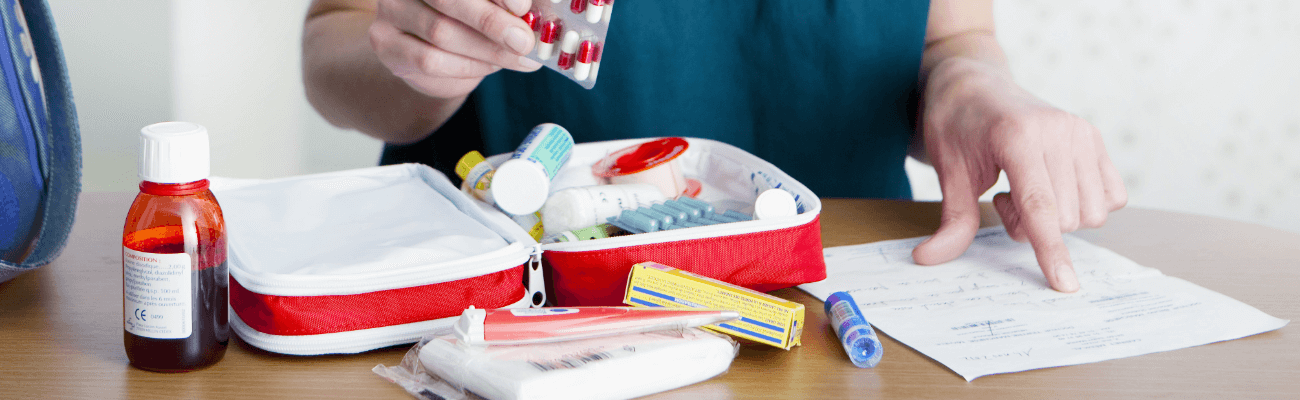
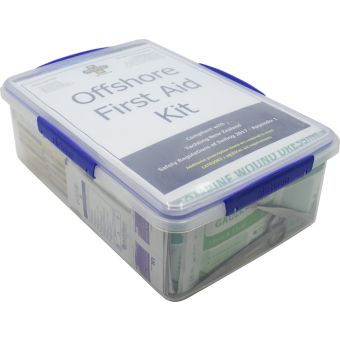
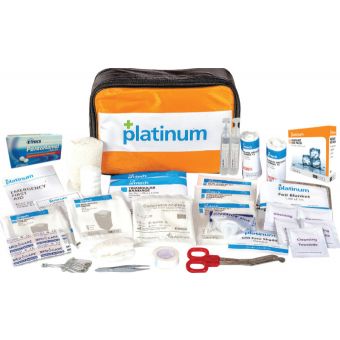
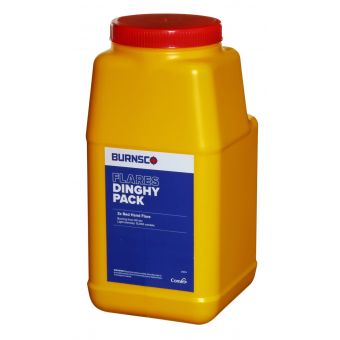
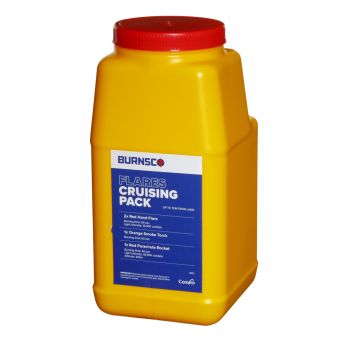
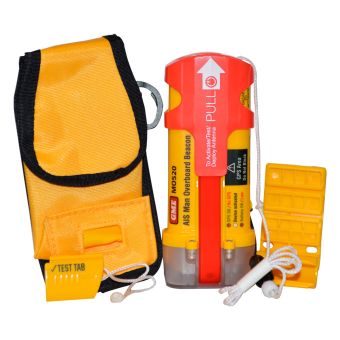
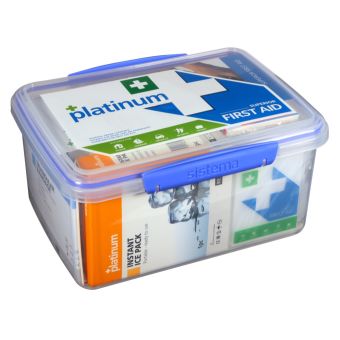
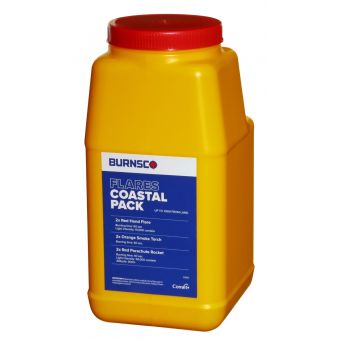
Being prepared also means taking the right safety gear for the conditions you might face – including the right first aid kit for your journey and checking your flares are in working order and suitable for where you’re taking your boat.
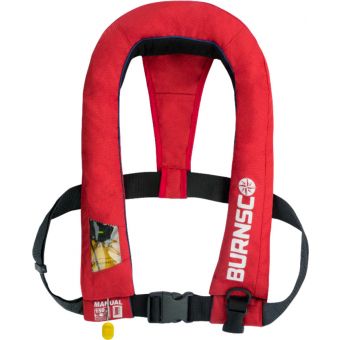
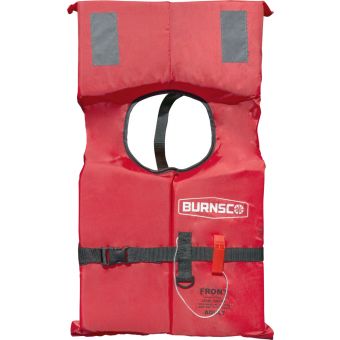
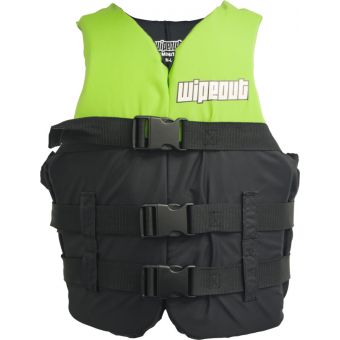
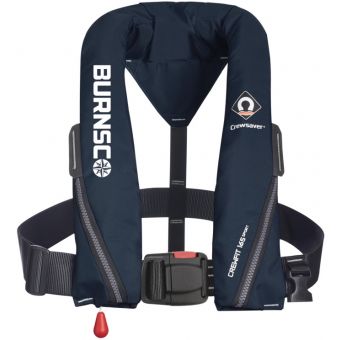
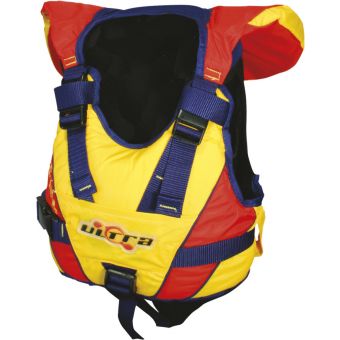
Lifejackets, Lifejackets, Lifejackets
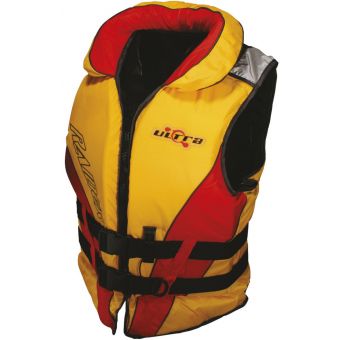
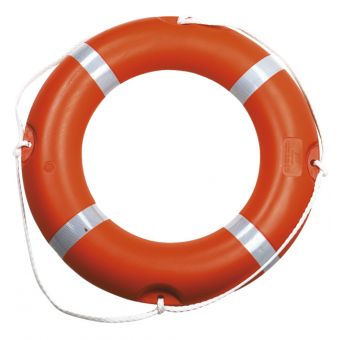
The Nelson Mail has recently called for consistency across the country when it comes to wearing lifejackets in small craft – and Maritime New Zealand is currently reporting back to the Government on creating uniformity between the legal requirement and various regional bylaws. But the simple fact is that lifejackets save lives and having the right type of lifejacket or personal flotation device on board for the people you’re carrying and the places you’re visiting is absolutely vital. Maritime NZ has a series of guides about the types available here or you can talk to any of Burnsco’s staff for information with our Live Chat option on the website to work out what’s right for you.
Keep in contact
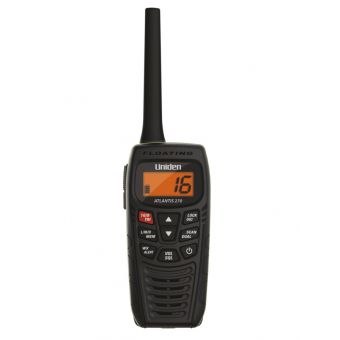
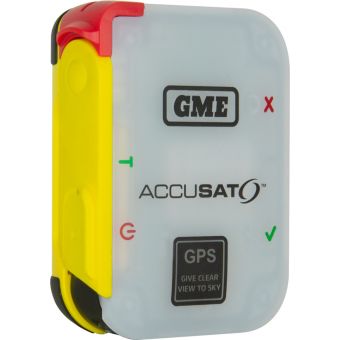
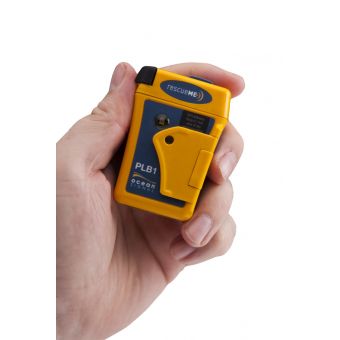
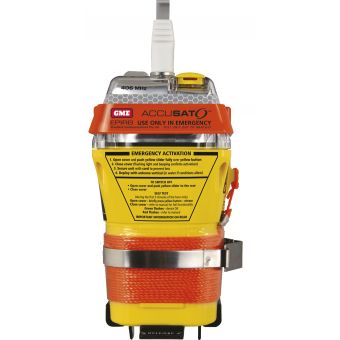
Although we’re seemingly always glued to our mobile phones and tablets these days, you might not always get great reception when you’re on the water. That’s why it’s so important to have a marine-brand VHF radio on board as well as some form of GPS locator.
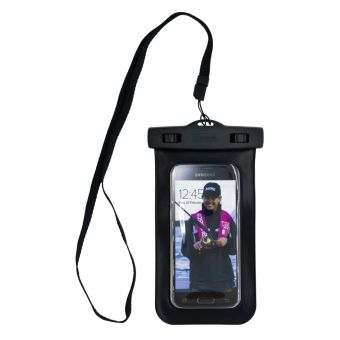
Before you head out, make sure everything’s in working order and you have everything stored in waterproof containers or bags.
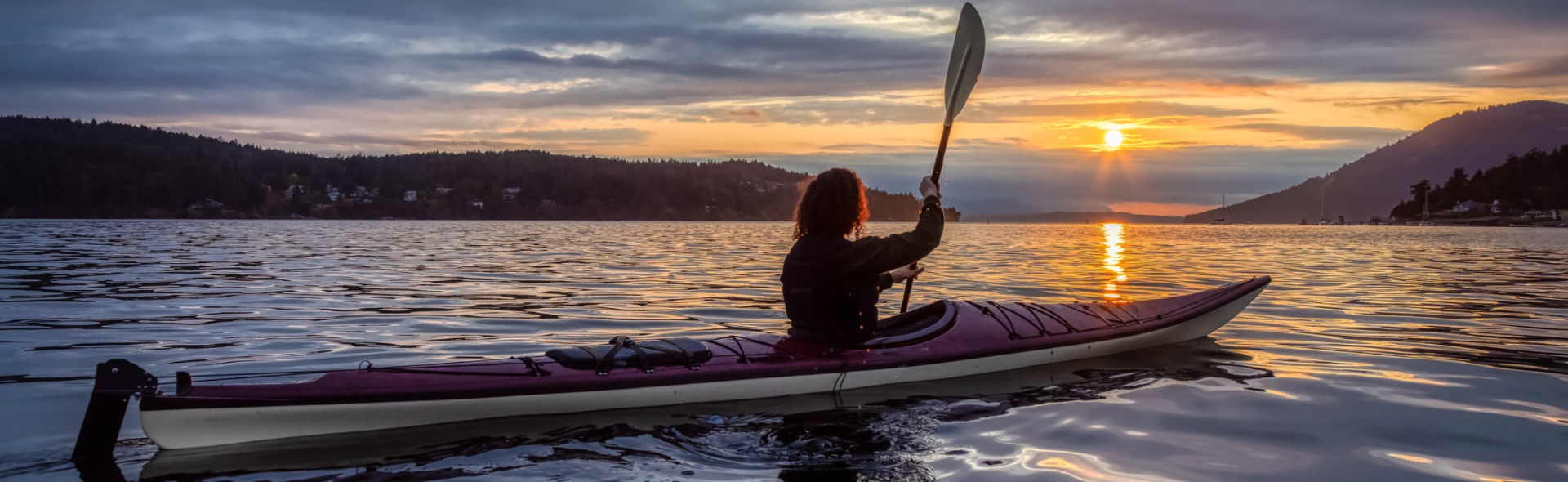
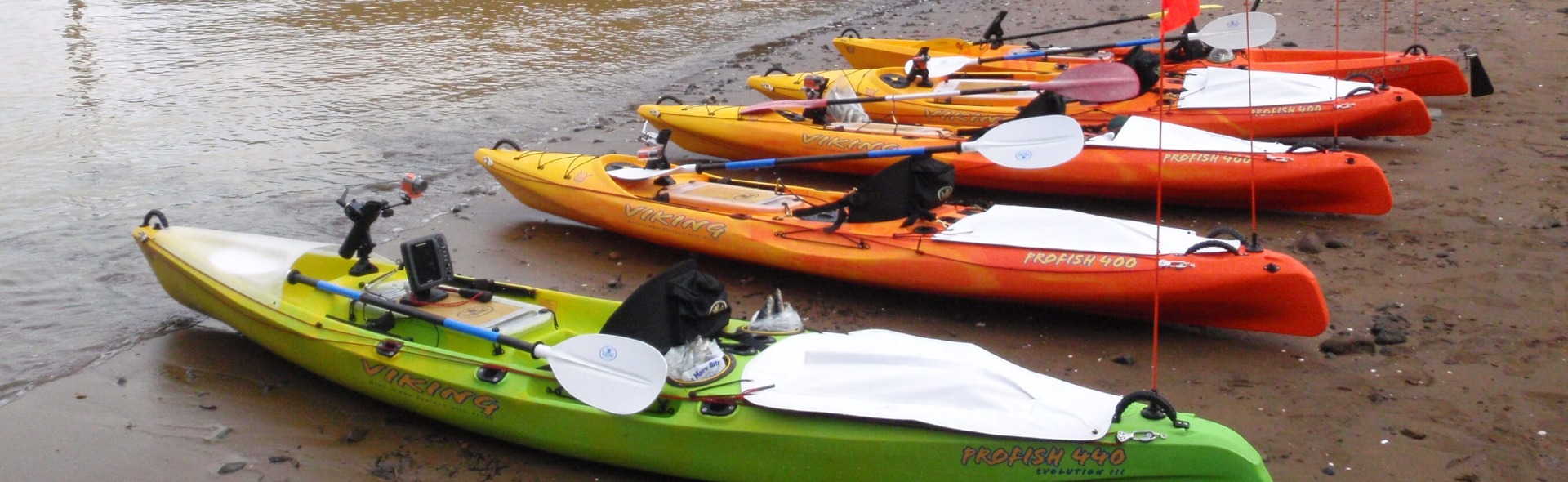
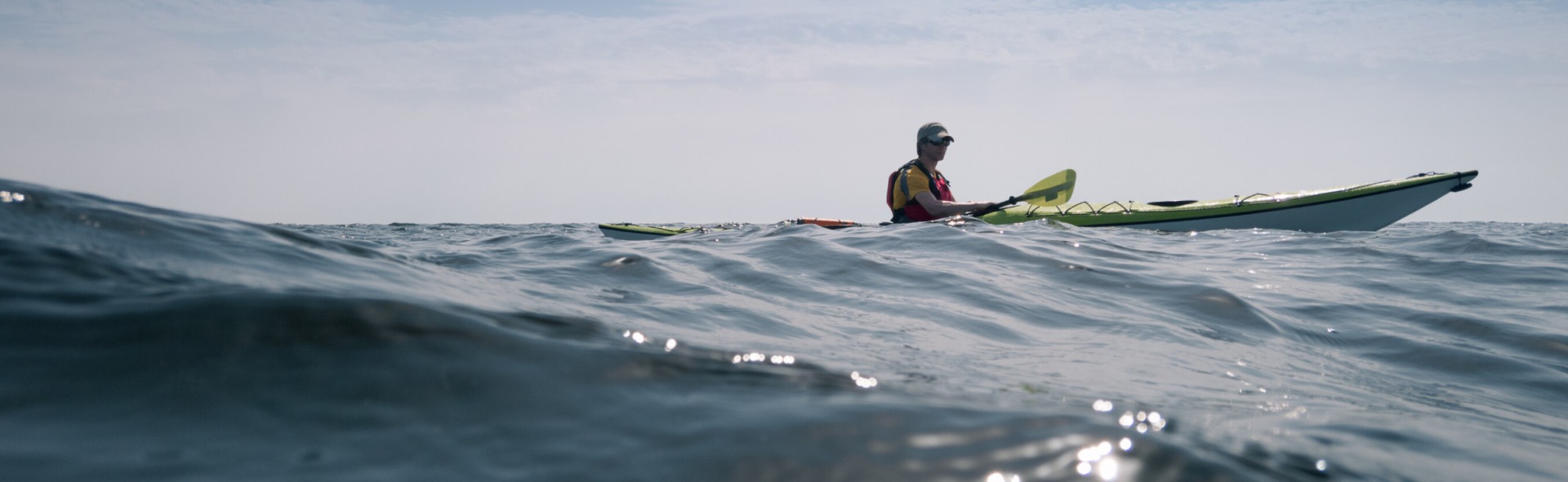
If you’re kayaking close in to shore, you might well be fine with your mobile phone – but it’s even more important to keep it dry and in full working order in case of an emergency.
Prepare for cold water
During summer months it’s easy to become blasé about motoring or sailing around and being able to jump in to the ocean occasionally to cool down. But coming into contact with the cold water – especially in an emergency – during winter can be a real killer.
Maritime NZ has a great and comprehensive guide to the techniques necessary to improve your chances of survival while in the water waiting for rescue, but because many of the lakes and coastal waters around New Zealand are very cold from April through to September it’s important to do everything you can to stave off hypothermia or, in the worst cases, death by drowning or heart attack.
Their key points to help your chances of survival are:
- Wear a lifejacket
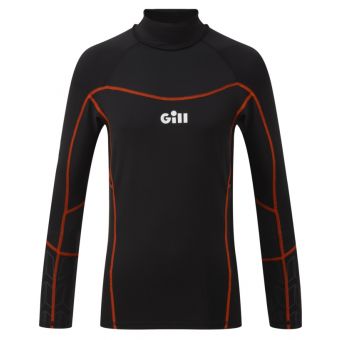
- Wear as many layers as possible
- Try not to panic
- When possible, get out of the water
- Learn and adopt the HELP position if you’re on your own or, in groups of three or more, huddle together
- Know your limits if swimming for safety – an average person in a lifejacket and light clothing will manage only 1.85km if the water is 10C.
Always be responsible
Mixing excess alcohol and boating is always a bad idea – regardless of the season, but especially in winter when the weather can change so quickly and when the body reacts so poorly to the shock of cold water.
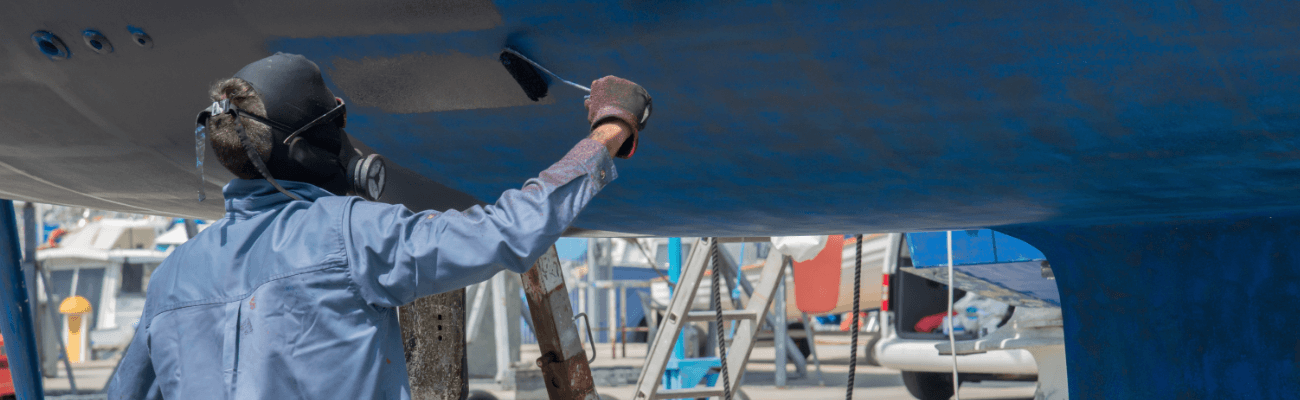
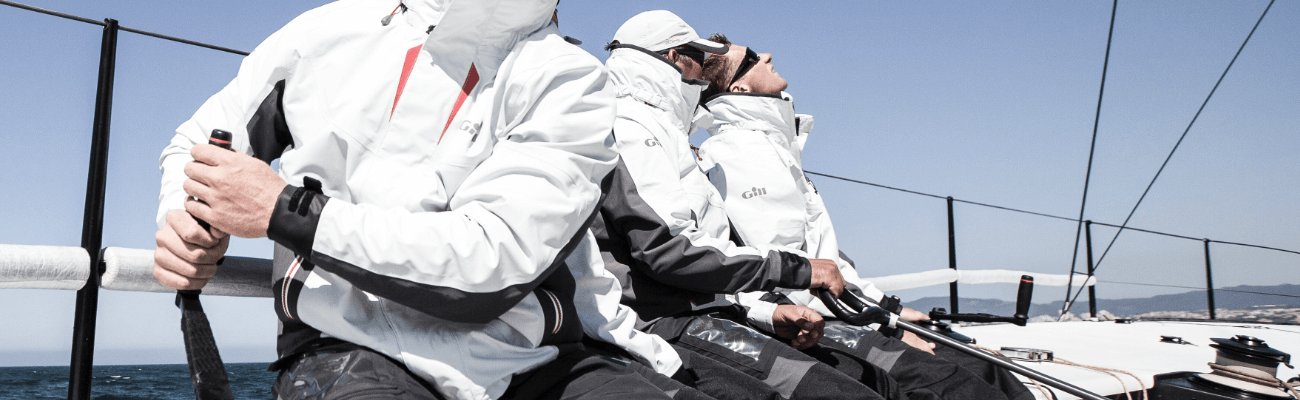
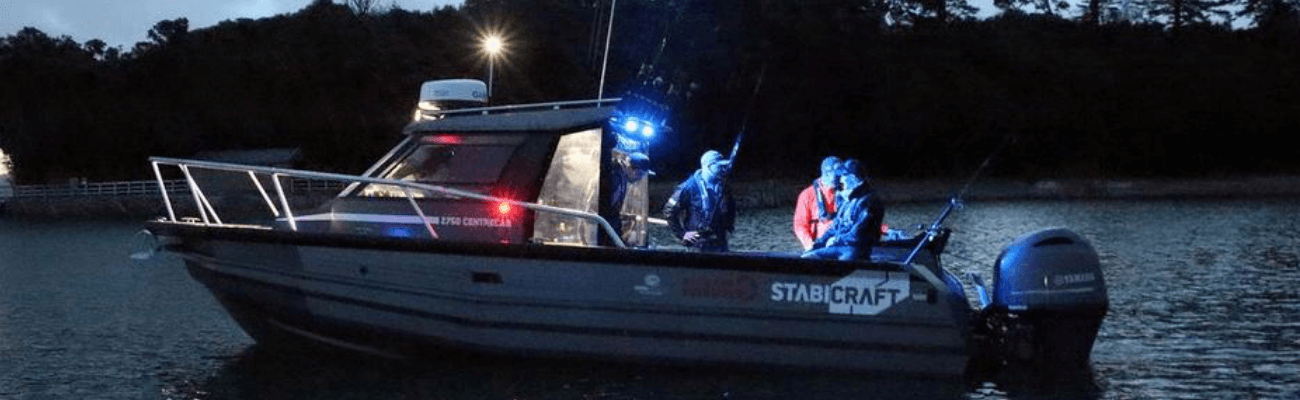
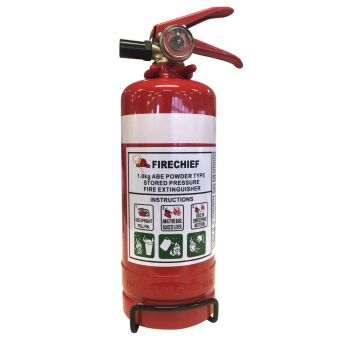
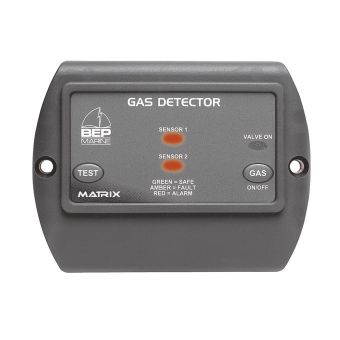
But being a responsible boatie also means making sure your craft is seaworthy before you set off (including being fully equipped with harnesses, non-slip flooring, gas detectors, fire extinguishers and lights whenever necessary) and making sure everyone on board is wearing the right gear for the conditions you might encounter.
Do you have any questions?
Please, contact our friendly team on 0800 102041 or email: website@burnsco.co.nz
We provide general information on products, not personal advice. Always seek the help of a relevant tradesperson if you have a technical query.