

Fish Finders and Chartplotters

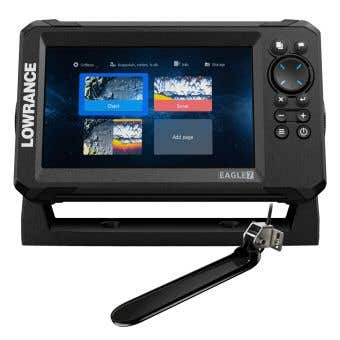
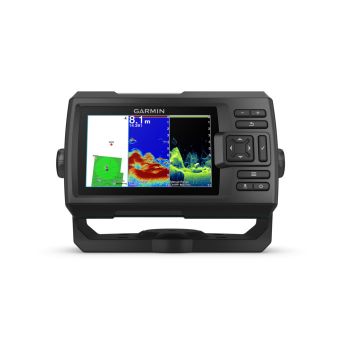
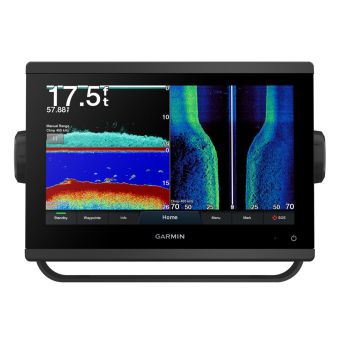
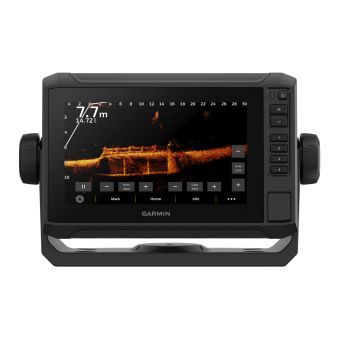
Marine electronics today turn guesswork into a plan. A fish finder shows you what's beneath the boat, a chartplotter shows you where to take the boat, and a combo unit handles both jobs on a single screen. Install the right unit at the helm, and you'll spend more time catching and cruising. Browse Burnsco’s chartplotters and fish finders for sale from top brands like Lowrance and Garmin.
Fish Finders and Chartplotters for Boats | Burnsco

Fish Finders for Smarter Fishing

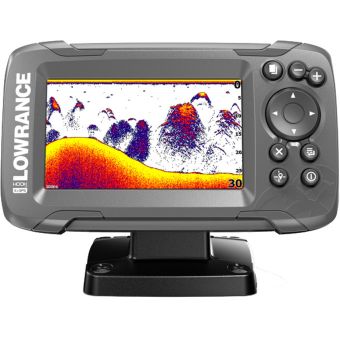
A fish locator, or finder, uses sonar to scan the water column below your hull, sending out pulses and reading the returns to show what's down there. Sonar picks out fish from bait, kelp from rock, and shows you the contours and structure that hold fish.

For shallow inshore work (under 80m), an entry-level sonar fish finder with a basic transducer is more than enough. But, if you're heading deeper for hapuka, bluenose, or bass, look for a 1kW-capable head unit paired with a matching transducer, which extends realistic range to 250m or more.

Fish finders with GPS let you mark waypoints over productive spots and return to them on your next trip.

Chartplotters for Marine Navigation

A chartplotter overlays your GPS position on detailed marine charts, showing contours, navigation marks, hazards, harbours, and coastline detail. Preloaded NZ and AU charts come standard on most models, with premium upgrades adding satellite imagery, 3D relief shading, and regular chart updates.

You can also plan routes, drop waypoints over fishing spots, and track where you've been. For coastal cruising, you'll get safe-route guidance around shallows and rocks. Offshore, the larger screen and detailed mapping make longer distances straightforward, particularly when paired with AIS and radar inputs.

Most quality units are NMEA 2000 compatible, integrating seamlessly with other gear on the boat:

  • VHF radios
  • AIS receivers
  • Engine data
  • Autopilots
  • Digital switching

That turns a single touchscreen into a control hub for everything from trolling motors to onboard audio.

Combo Units and Accessories

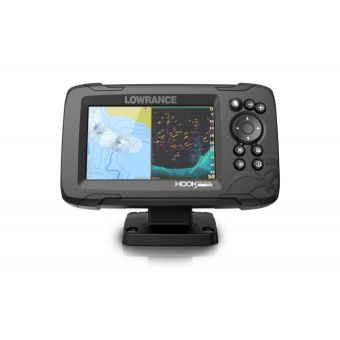
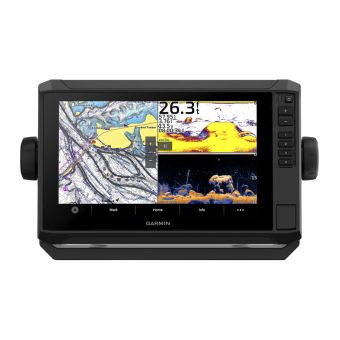
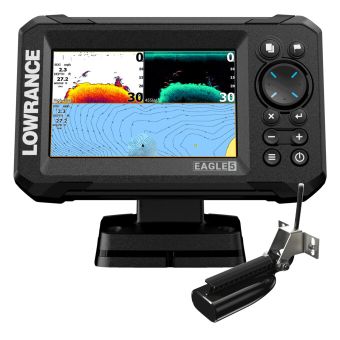
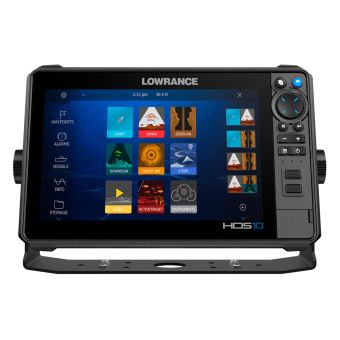
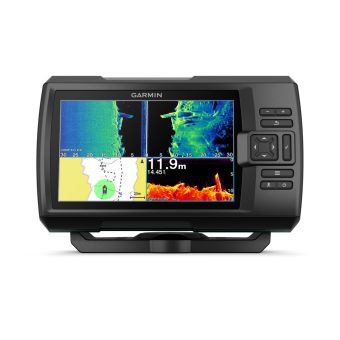
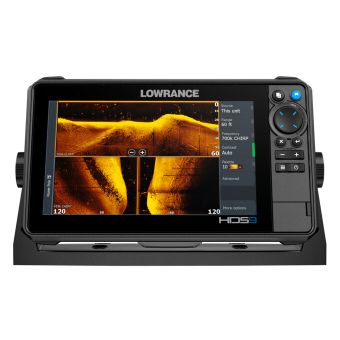
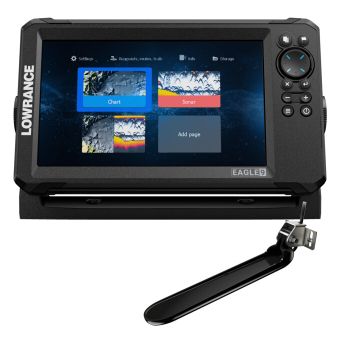
Almost all marine displays today combine a fish finder and a chartplotter into a single unit, with split-screen views that let you watch sonar and chart at the same time. You can also focus on one when conditions call for it. For most boaties, fishfinder combos are the smart pick.

Browse 5-7" units for small trailer boats, kayaks, and jet skis. 9-12" screen sizes are ideal for most trailer boats and launches, and units up to 16" feature multi-function displays for larger vessels running networked systems with radar, autopilot, and multiple stations.

At Burnsco, we stock the parts that keep your system going, including:

  • Transducers, power cables, and network cables
  • NMEA 2000 connectors
  • Sun covers, mounts, and chart cards
  • Upgrade gear like 1kW transducers and live sonar systems

Shop Marine Electronics at Burnsco

Burnsco's range is backed by 19 stores nationwide, product experts, and over 140 years of supplying Kiwi boaties. Browse chartplotters and fish finders for boats and start reeling in more fish on your next expedition. Order online for 1-hour click & collect, or pop in to talk to our team. Browse our VHF radio accessories and handheld GPS & Chartplotters to build a complete electronics kit you can rely on. For help, call us on 0800 10 20 41.

Frequently Asked Questions

What is the difference between a fish finder and a chartplotter?

A fish finder uses sonar to show what's beneath your hull: fish, bait, bottom structure, and depth. A chartplotter uses GPS to show where you are on a marine chart, with depth contours, navigation marks, and coastline detail. Most units combine both into a single display.

Are combo units better for fishing and navigation?

For most boaties, yes. One screen handles both tasks, with split views letting you watch sonar and chart at the same time. You save dash space, run fewer cables, and pay less than you would for two separate units. Fish finders still make sense for small craft (kayaks, jet skis, dinghies) where space is limited and a handheld GPS already covers navigation. But for serious anglers, a chart plotter+fish finder is your best bet for reliable performance in all conditions.

Do I need maps on a fish finder?

If a fish finder is your only navigation tool, yes. Maps let you see where you are, mark waypoints over fishing spots, and find your way home. The handful of map-free fish finders are marketed for small craft, where the operator carries a separate GPS or handheld for navigation, or for larger boats, where the fish finder is a secondary unit. For most users, a chartplotter and fish finder GPS combo with preloaded NZ marine charts is the better starting point.

How do fish finders work?

A transducer sends sound pulses into the water from a mount on the transom or through the hull. When those pulses hit something (a fish, the bottom, structure), they bounce back. The fish finder times how long each return takes to calculate depth and build an image on screen.

What accessories do I need for a fish finder and chartplotter setup?

At minimum:

  • A transducer (often included with the head unit)
  • A mount, power cable, and sun cover

Beyond that, the accessories depend on your fishing needs:

  • NMEA 2000 starter kits and network cables for connecting other gear
  • Chart upgrades for more detail
  • Transducer adapters, if you're upgrading without replacing the cable
  • A 1kW transducer for deep-water species

Our team can talk you through options if you're not sure where to start.