Boat Lighting and Electrical Essentials
From the navigation lights that keep you legal at night to the wiring that keeps everything running, marine electrical gear is what turns a hull into a working boat. Burnsco stocks an extensive range of marine electrical and lighting gear from trusted brands including Hella, Victron, Renogy, and Projecta, with quality components built to handle saltwater, vibration, and the long hours boats spend in the water.
Essential Boat Lighting for Safety and Visibility
Boat lighting keeps you visible to other vessels, lets you see what you're doing on deck and below, and keeps you compliant with maritime rules.
Burnsco's marine lighting range covers:
- Navigation lights: port, starboard, stern, and masthead lights that meet Maritime NZ requirements for night and limited-visibility operation
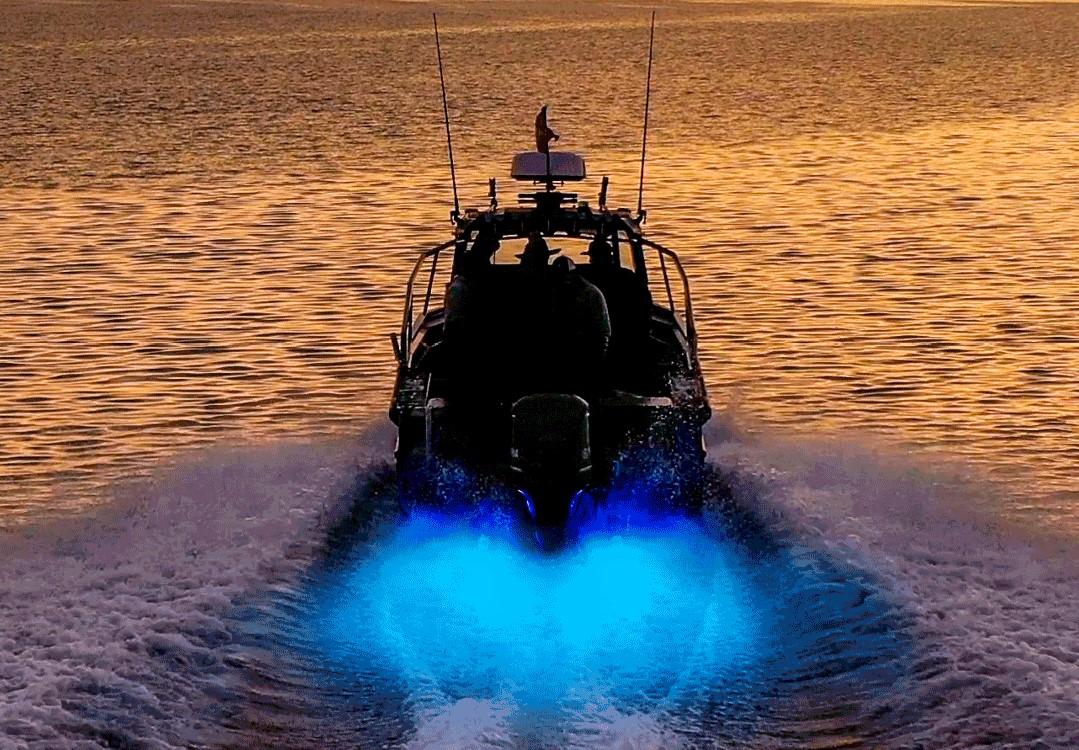
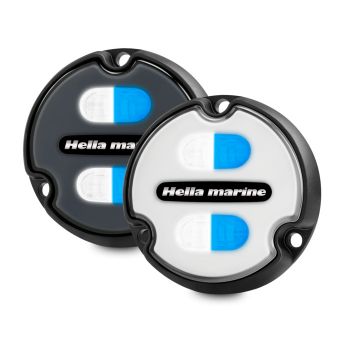
- Exterior lights: deck floods, courtesy lights, and underwater lights for visibility around the boat at anchor or while underway
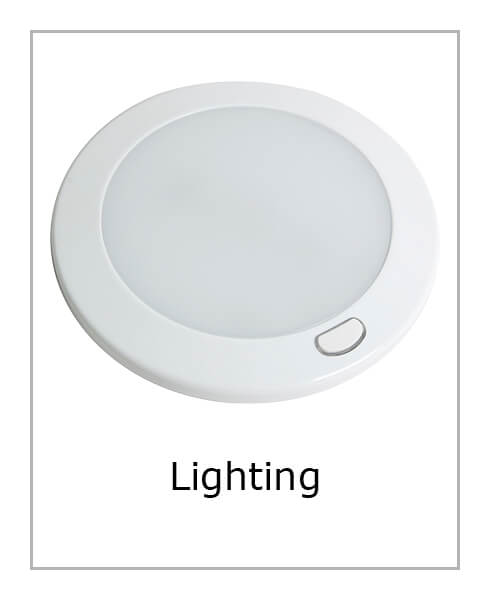
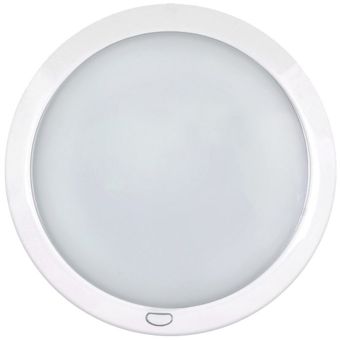
- Interior lights: cabin, galley, and saloon lighting, including dimmable LED lights for boats after dark
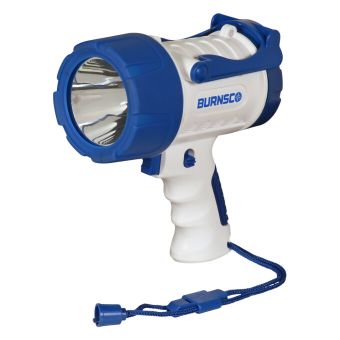
- Spotlights, torches, and head lamps: for finding moorings, working on deck at night, or anchoring in the dark
Marine Electrical Systems for Reliable Power
Our marine electrical range includes:
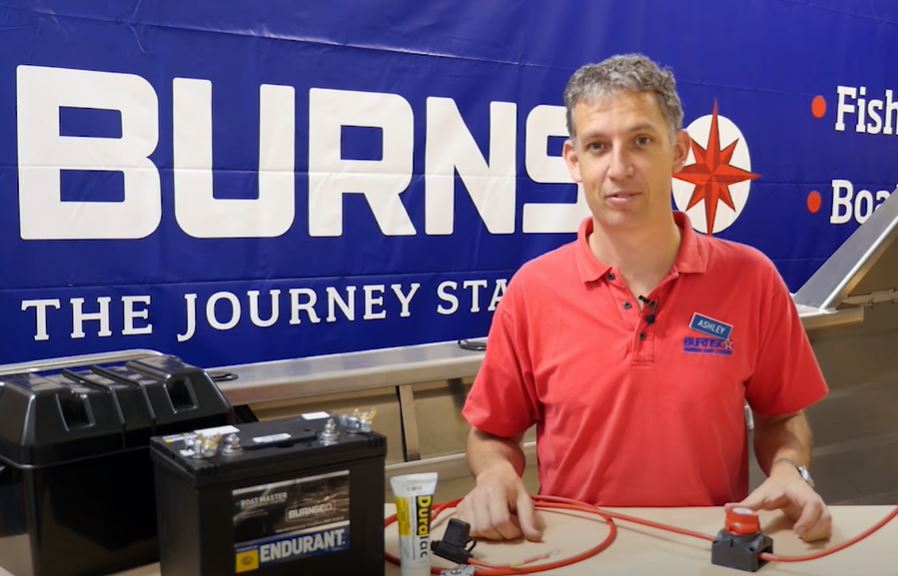
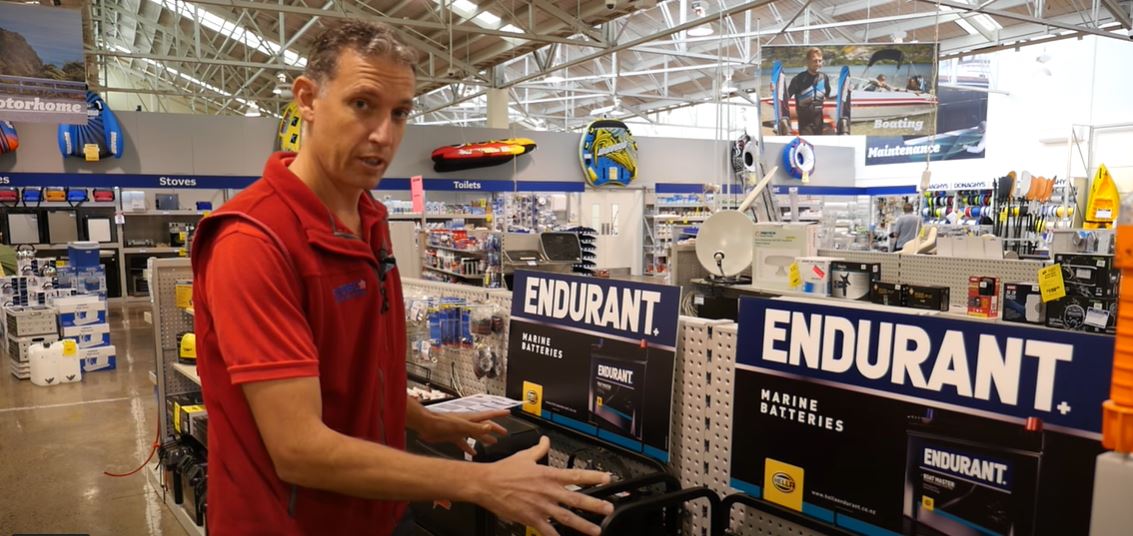
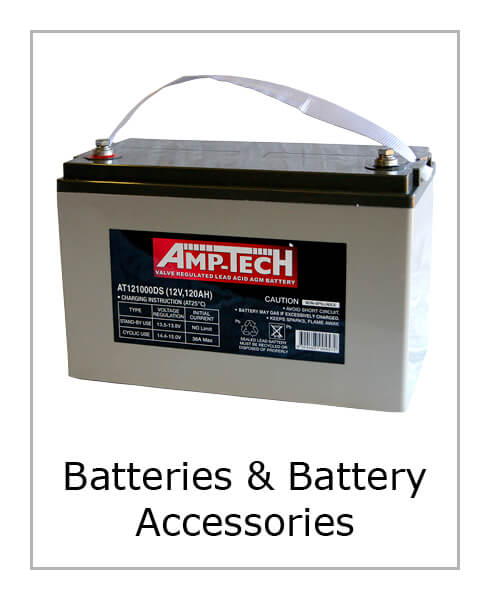
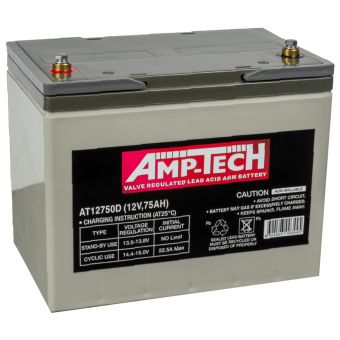
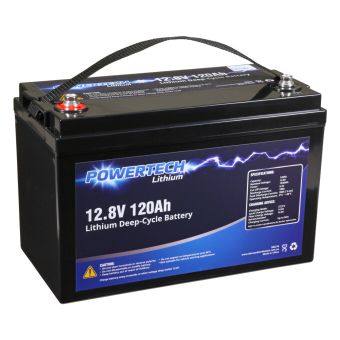
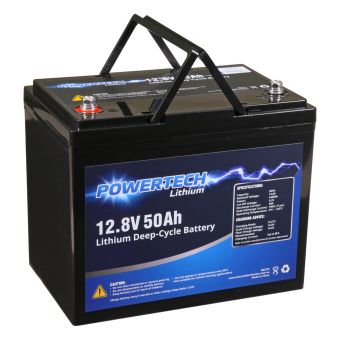
- Marine batteries: starting, deep-cycle, and dual-purpose units in lead-acid, AGM, and lithium
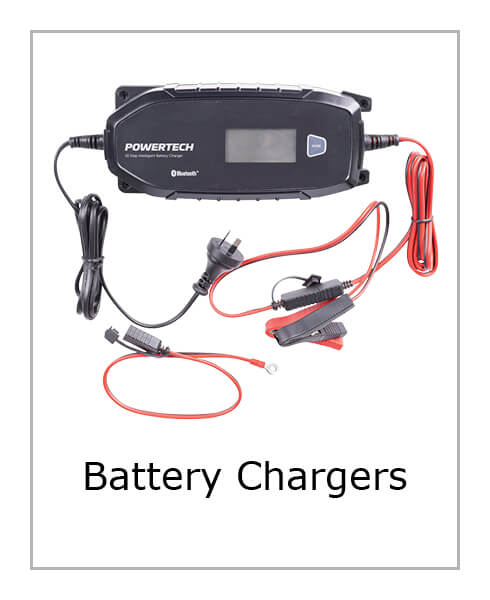
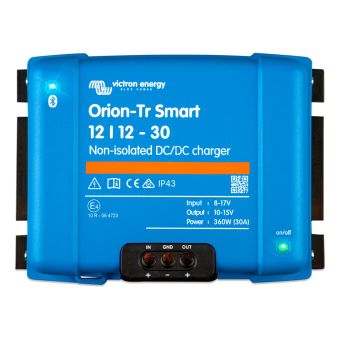
- Battery chargers and isolators: for keeping multiple batteries topped up and separating starting and house circuits
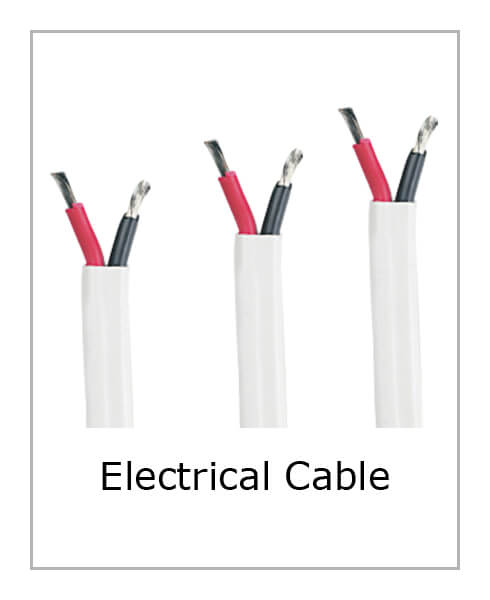
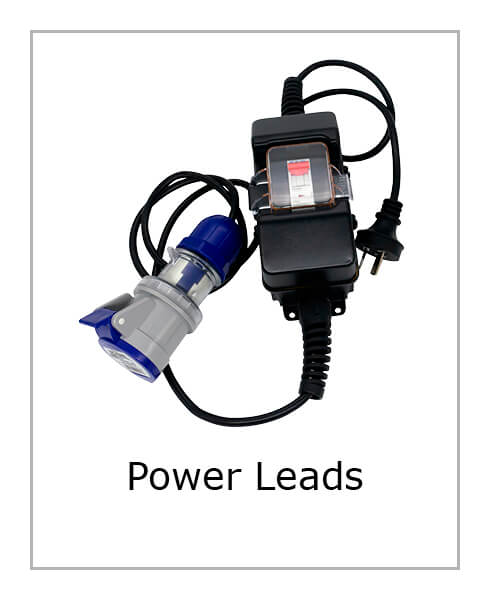
- Cables, terminals, and connectors: tinned copper marine-grade electrical wire that resists corrosion in salt air
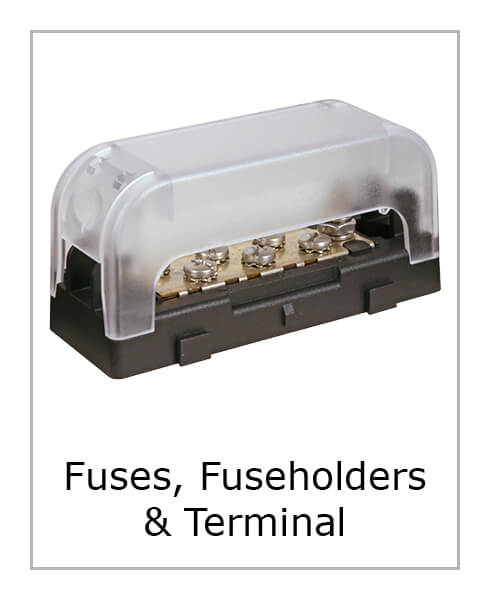
- Fuses, fuse holders, and circuit breakers: protecting both the gear and the boat from electrical faults
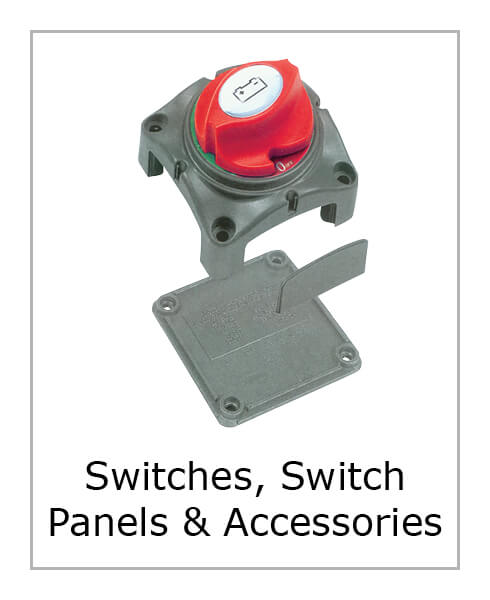
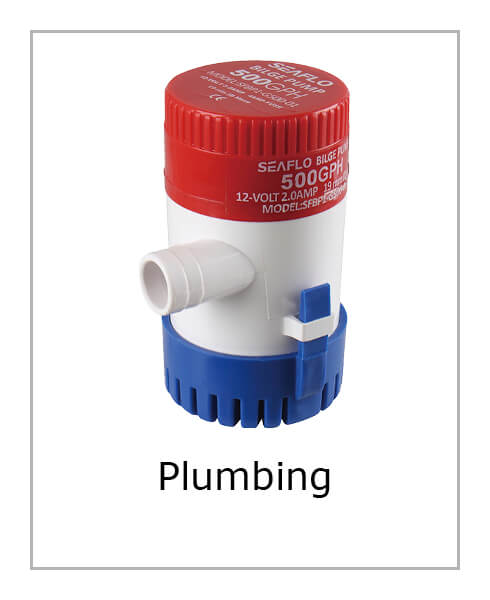
- Marine switch panels and breakers: clean, labelled control over everything from boat deck lights to bilge pumps
Power Generation and Onboard Electrical Solutions
For boats spending time off-grid, generating your own electricity keeps fridges cold, lights on, and devices charged.
Burnsco's power generation range covers:
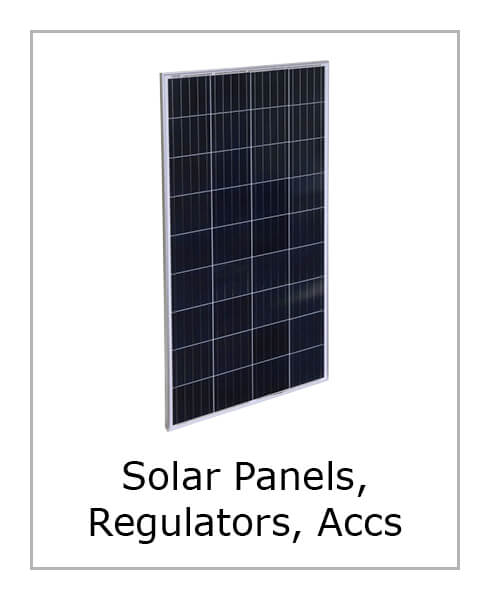
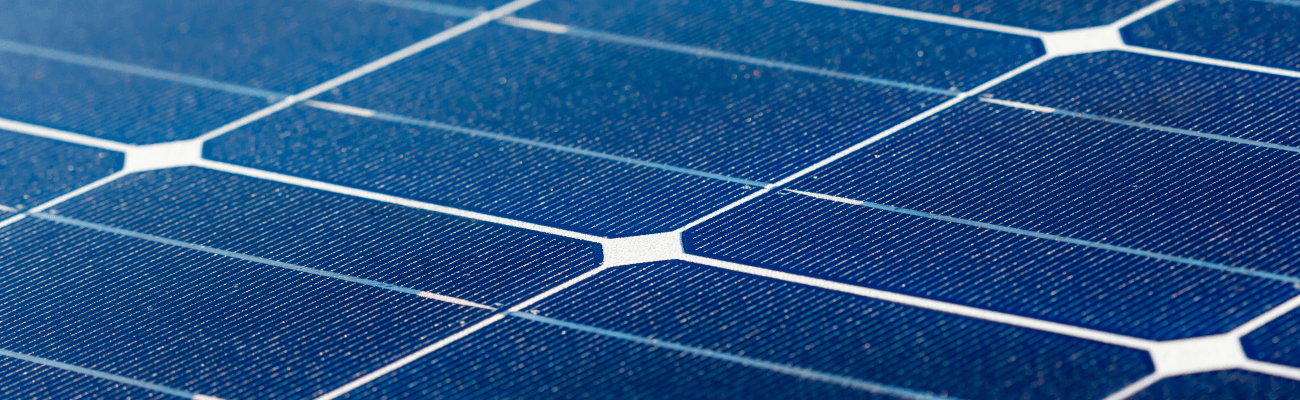
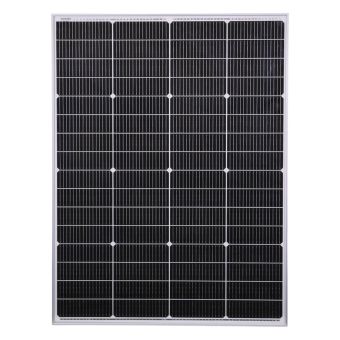
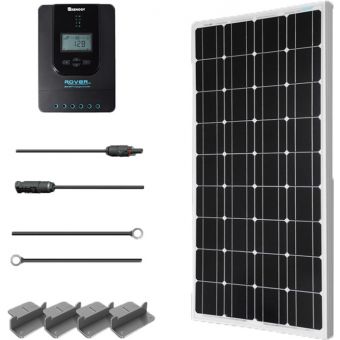
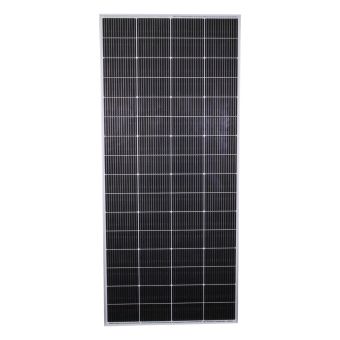
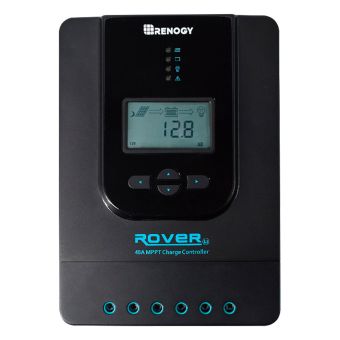
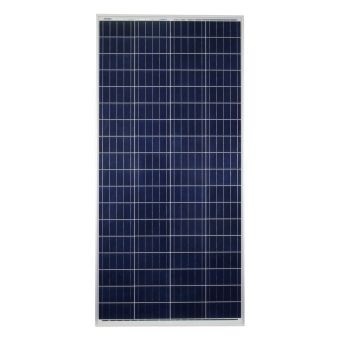
- Boat solar panel kits, regulators, and mounting hardware: for trickle-charging batteries while the boat is moored or underway
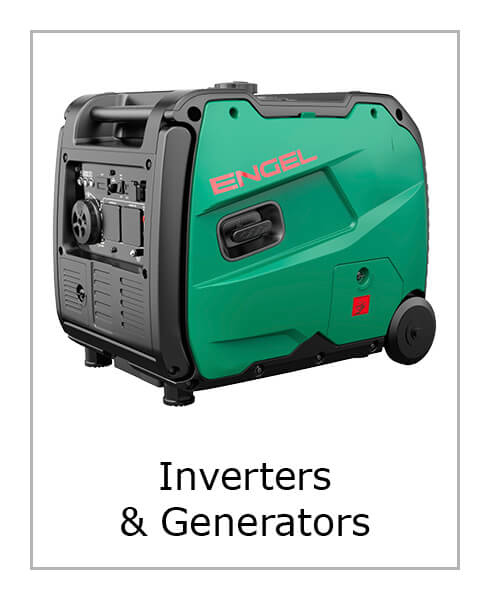
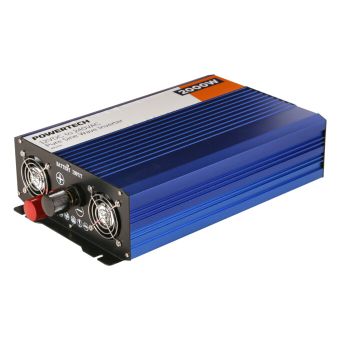
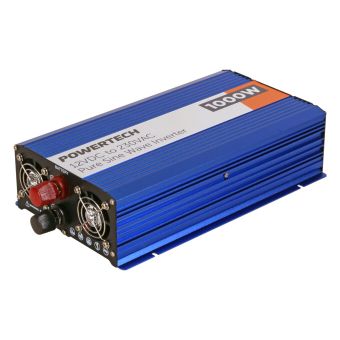
- Inverters: turning 12V battery power into 230V mains output for running standard household gear onboard
- Generators: petrol-powered backup for longer trips or higher loads
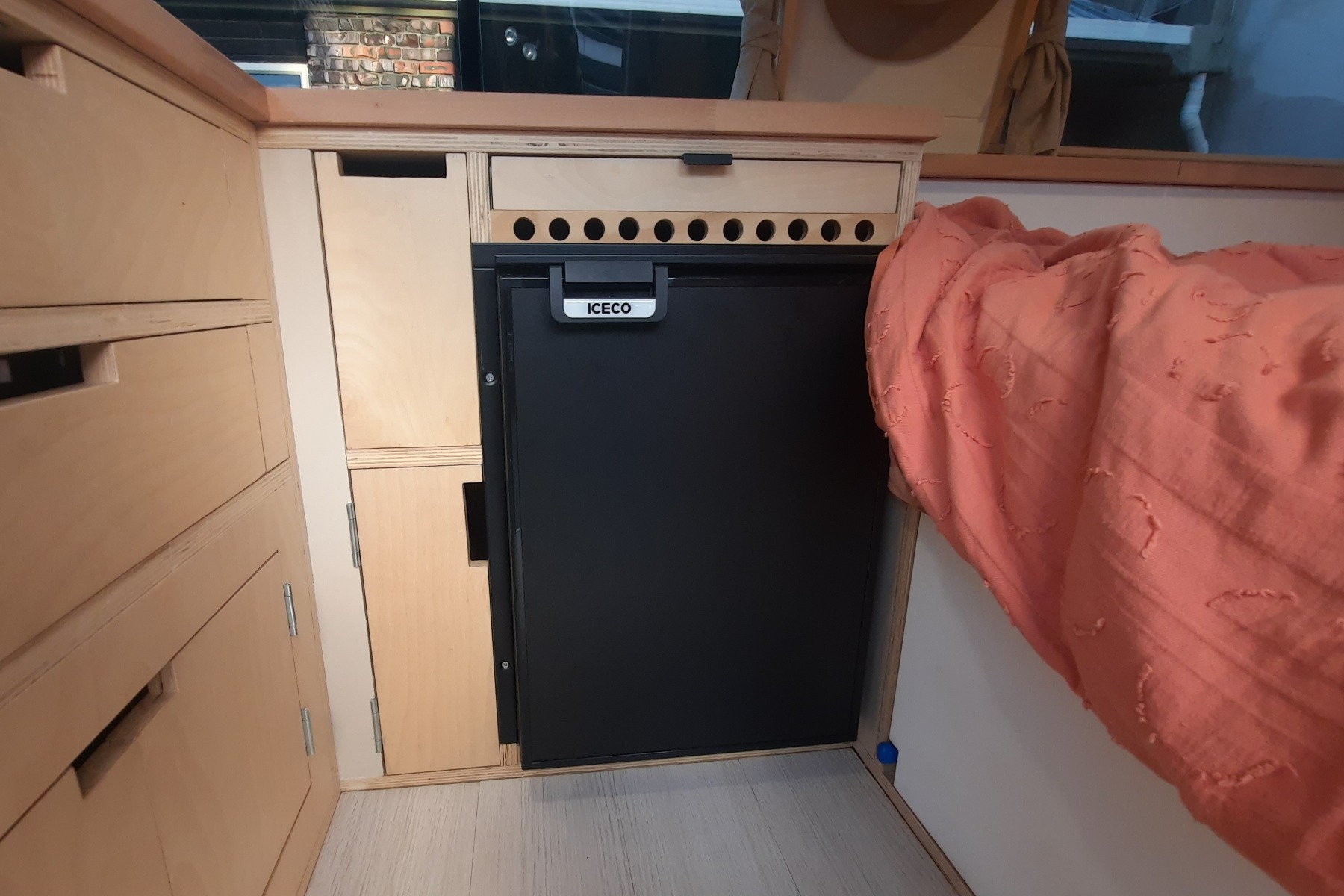
- Marine appliances: 12V fridges, kettles, fans, and other purpose-built onboard gear
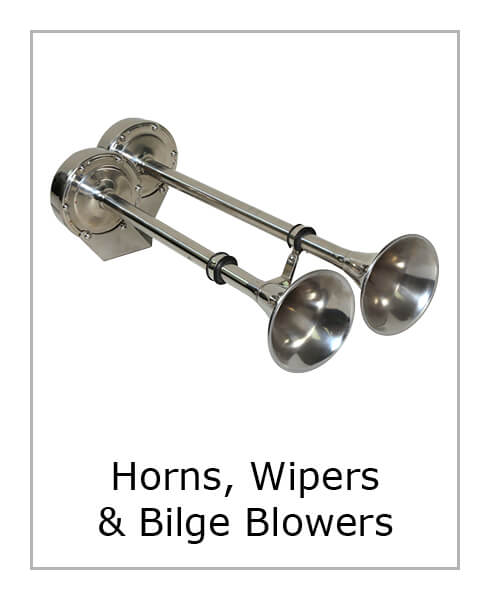
- Boat wipers, horns, and bilge blowers: the operational electrics that keep the boat functioning day to day
For complex installations, particularly anything involving 230V wiring, larger boat battery banks, or integrated charging systems, work with a qualified marine electrician. The wrong install can damage gear, void insurance, and create a genuine fire risk.
Shop Marine Electrical and Boat Lighting at Burnsco
Burnsco stocks marine electrical and lighting gear, from replacement torch lights through to larger onboard electrical equipment. Order online for 1-hour click & collect at any of our 19 stores nationwide, or pop in for a chat. Browse our marine electronics, anchoring & mooring gear, and safety equipment to complete your onboard kit.
Frequently Asked Questions
What navigation lights do I need on my boat?
Navigation light requirements in NZ depend on your boat's size and whether it's under power or sail. Powered vessels under 12m need red and green sidelights plus either a white masthead and stern light or a single all-round white light. Boats under 7m that can't exceed 7 knots can use just an all-round white light with sidelights if practicable. Boats at anchor outside a designated anchorage need an all-round white light. Check Maritime NZ for the full rules or ask our team.
Should I upgrade to LED marine lights?
Yes. Boat LED lights use a fraction of the power of halogen or incandescent bulbs, so you'll draw less from the battery when you're running on it alone. They also last much longer, handle vibration better, and put out a brighter, crisper light. The upfront cost is higher, but the savings on power draw and replacement bulbs add up quickly.
What size marine battery do I need?
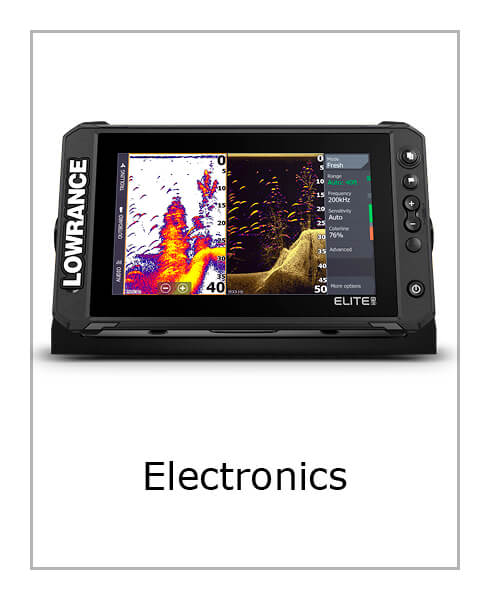
That depends on what you're running and for how long. Start by adding up the amp draw of your marine electronics (lights, fridge, electronics, pumps) and multiplying by how many hours you'll use them between charges. A weekender running lights and a chartplotter has different needs than a liveaboard with a fridge, freezer, and portable inverter-generator. Deep-cycle batteries handle sustained loads; starting batteries handle short bursts of high current. Dual-purpose batteries do both, but not as well as dedicated units.
Can I charge my marine battery with solar?
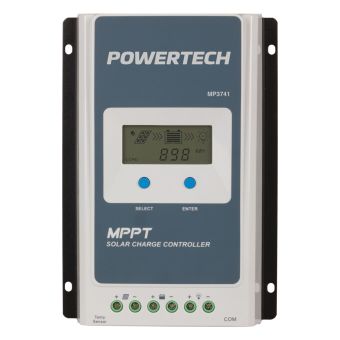
Yes, and it's a common setup for boats spending time away from shore power. You'll need solar panels sized to your daily power draw, a charge controller (MPPT is more efficient than PWM) to regulate the current going into the battery, and marine-grade wiring throughout. For a moored boat that just needs trickle charging, a 100W panel is often enough. Boats running fridges or higher loads need more.
Do I need marine-grade electrical components, or will automotive parts work?
For most boat electrical jobs, marine-grade components are the safer choice. Boats deal with constant vibration, saltwater exposure, and humidity that can quickly damage automotive-grade wiring and connectors. Tinned copper wire, sealed connectors, and marine-rated fuses are designed to resist corrosion in this environment.