EPIRBs & PLBs

EPIRB and PLB Emergency Beacons | Burnsco

What Is a PLB and EPIRB?

EPIRB stands for Emergency Position Indicating Radio Beacon. A PLB is a Personal Locator Beacon. Both are distress devices that transmit your location via the global Cospas-Sarsat satellite network.

All EPIRBs and PLBs that operate on 406 MHz frequency must be registered with the Rescue Coordination Centre New Zealand (RCCNZ) before use. Register yours at beacons.org.nz.

Read our guide on the difference between an EPIRB and a PLB for a quick comparison.

EPIRB: vessel-based protection at sea

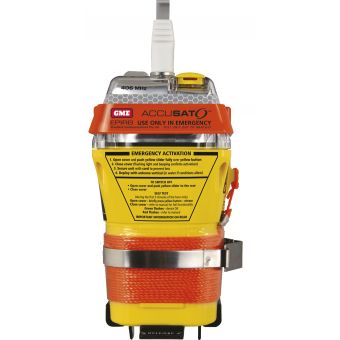
Emergency position indicating radio beacons are designed specifically for vessels. They are mounted onboard or kept in an accessible location. NZ-coded beacons must be registered to the vessel they are carried on. If the vessel faces an emergency at sea, the EPIRB is activated, either automatically or manually depending on the type, and sends a distress alert to rescuers.

There are two common types:

Both are built for offshore conditions and are intended as the vessel's primary emergency beacon. If you spend serious time offshore, an EPIRB is essential.

PLB: personal protection on land or sea

A personal locator beacon is designed to be carried on your person rather than mounted to a vessel and is registered to you. You activate it if you are injured, separated from your boat, or find yourself in trouble while hiking, hunting, kayaking, or travelling remotely.

Personal locator beacons vary in capability:

Standard GPS PLBs

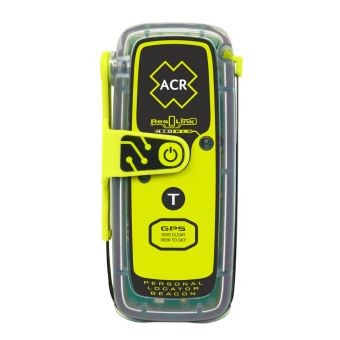
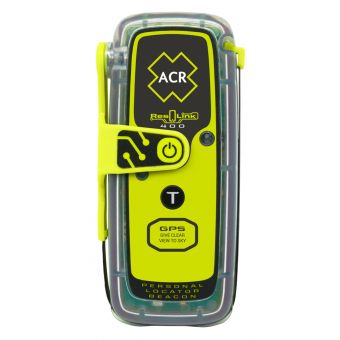
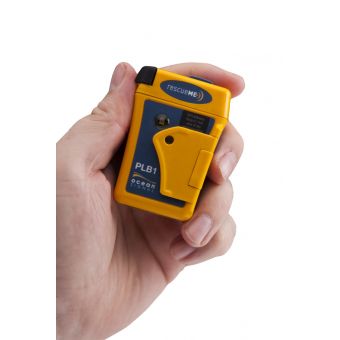
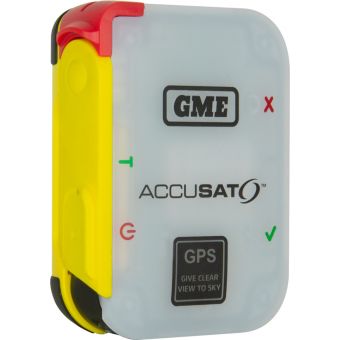
GPS-enabled PLBs transmit a 406 MHz distress signal with embedded location data and include a 121.5 MHz homing signal to help rescuers locate you once nearby. Compact and simple, they are ideal for general outdoor use. Popular options include the GME MT610G personal locator beacon, ACR ResQLink 400 PLB and Ocean Signal rescueME PLB.

PLBs with Return Link Service (RLS)

Provide confirmation that your distress signal has been received by the satellite system and that your location has been detected. Shop GME MT620GR return link PLB or ACR ResQLink 410 RLS PLB.

PLBs with Automatic Identification System (AIS)

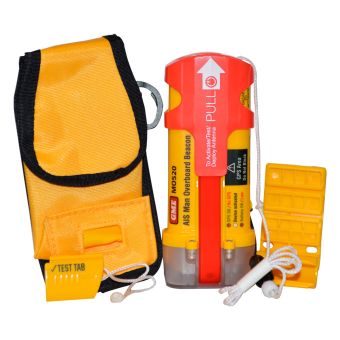
Transmit an alert to nearby AIS-equipped vessels. This is particularly useful for kayakers, sailors, or anyone operating on open water, where another boat may reach you before official search and rescue authorities do. The Ocean Signal rescueME PLB3 adds AIS to a compact personal beacon.

Watch how AIS and Return Link Service (RLS) improve distress alerting on PLBs and EPIRBs, or read EPIRB vs PLB explained on our blog.

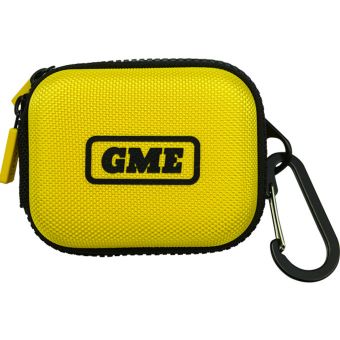
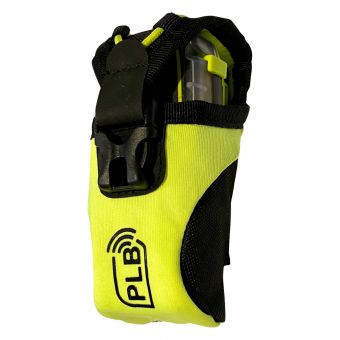
All PLBs require manual activation. Protect yours with a GME MT610 PLB carry case or ACR ResQLink pouch.

How EPIRBs and PLBs Work in an Emergency

When a beacon is activated, a defined rescue process begins.

First, the device transmits a 406 MHz signal via the global Cospas-Sarsat satellite network. If the unit has built-in GPS, your exact location is embedded in the transmission, significantly improving search accuracy. Most models also transmit a 121.5 MHz homing signal so rescuers can pinpoint your position once they are nearby.

The alert is relayed to the Rescue Coordination Centre New Zealand (RCCNZ). Because your beacon details are recorded when you register at beacons.org.nz, emergency services can immediately identify the owner and their emergency contacts to begin coordinating search and rescue operations.

Some beacons include additional safety features:

  • Return Link Service (RLS): Confirms your distress signal has been received.
  • AIS transmission: Alerts nearby AIS-equipped vessels, increasing the chance of faster assistance.
  • Float-free EPIRB: Activates automatically if a vessel sinks, transmitting even if crew members cannot manually activate the device.

Before a big trip, work through our coastal classic safety checklist and marine safety grab bag guide.

Choosing the Right Emergency Beacon for the Sea or Outdoors

For offshore boats and larger vessels

If you own a vessel operating offshore, an EPIRB mounted in an easy-access location is essential.

Look for:

  • GPS capability
  • Float-free housing if you want automatic activation
  • Long battery life (10 years is common)
  • Clear manual activation controls
  • AIS capability on models such as the GME MT606G EPIRB with AIS

Most EPIRBs transmit for at least 48 hours once activated.

For kayakers, fishers, hikers and RV travellers

If your activities take you away from your boat or vehicle, a personal locator beacon makes more sense.

Look for:

  • Compact design
  • Integrated GPS
  • Waterproof rating
  • Clear battery expiry date
  • RLS, if you want confirmation your signal was received

Once activated, most PLBs are designed to transmit for at least 24 hours.

Shop EPIRBs and PLBs for Sale at Burnsco

Browse EPIRBs and PLBs online, including:

Burnsco has been backing Kiwi boaties and adventurers for over 140 years. With stores nationwide, you can walk in and talk to people who use this gear themselves at your nearest Burnsco store. Round out your emergency kit with life jackets (see our how to choose a life jacket and life jacket sizing guide), marine flares, and first aid kits. Browse the full marine safety range.

Need help choosing? Call 0800 10 20 41 or contact us. Order online and use 1-hour Click & Collect at your nearest store.

Frequently Asked Questions

Is carrying an EPIRB or PLB a legal requirement in New Zealand?

There is no universal requirement for recreational boat owners to carry an EPIRB under NZ Maritime Rules. However, certain commercial vessels and operating limits may require approved emergency equipment.

A personal locator beacon is also not mandatory for recreational use. That said, if you are heading offshore, into remote areas, or beyond reliable VHF or mobile phone coverage, carrying a registered emergency beacon is strongly recommended.

Which PLB or EPIRB is right for my activity?

For offshore boats, choose an EPIRB with GPS for accurate positioning. Look at models with AIS capability, or float-free housings that activate automatically if the vessel sinks.

For land-based or mobile activities, buy a PLB that matches your environment. See EPIRB vs PLB explained for more detail.

What does RLS mean on a PLB, and why does it matter?

RLS stands for Return Link Service. It sends a confirmation back to your personal locator beacon to show that your distress alert has been received and that your location has been detected by the satellite system. Compare GME MT620GR return link PLB and ACR ResQLink 410 RLS PLB.

Are EPIRBs and PLBs ready to use straight out of the box?

Not quite. In New Zealand, every 406 MHz EPIRB and PLB must be registered at beacons.org.nz before use. Once registered, it is good to go. Before heading out, check the battery expiry date and run the manufacturer's recommended self-test to make sure everything is functioning as it should.

Pair your beacon with a serviced life jacket. Follow our guides on foam life jacket maintenance and inflatable life jacket maintenance.