Marine Fillers

Got damage to your boat or surfboard? Our epoxy and polyester resins are here to save the day! Find resins, fillers, and fibreglass cloth for repairs above and below the waterline. Easily patch up any boat-building materials, including wood, fibreglass, steel, alloys, and composites.
Marine Fillers, Fibreglass and Epoxy Resins | Burnsco

Epoxy and Polyester Resin for Wood, Alloys and Composites

Shop epoxy and polyester resins for sheathing, laminating, filling, and bonding. Browse our resins, fillers and fibreglass range by category:

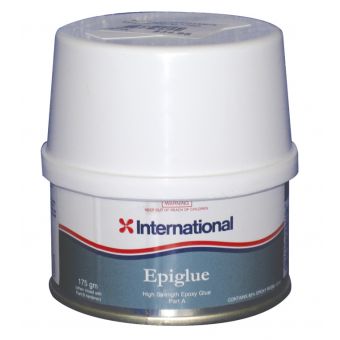
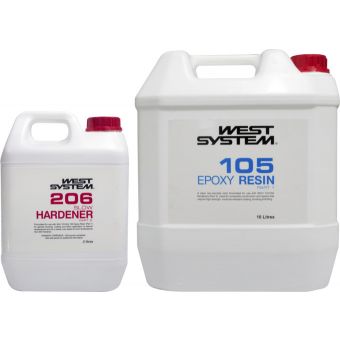
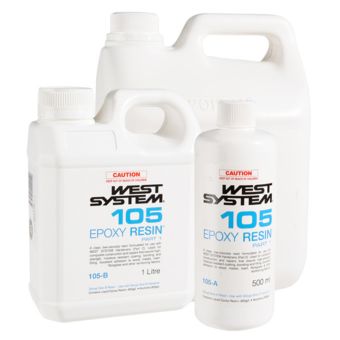
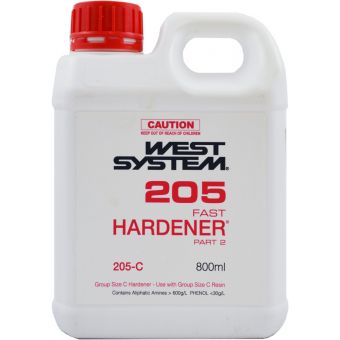
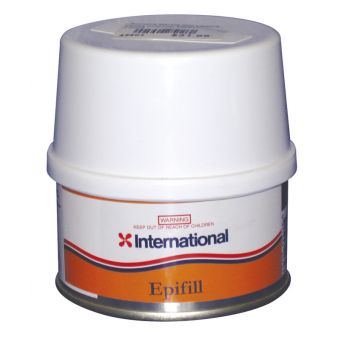
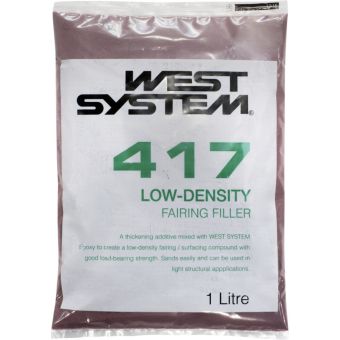
  • Epoxy resins offer greater strength for bonding materials, protective coatings, and structurally significant repairs. Mix them with glass fibre filler or powder additives — high-density fillers for adhesive and gap filling, low-density fillers for fairing and coving. Shop popular brands including West System, International, and Norski.
  • Polyester resins offer a low-cost alternative for fibreglass laminate and cosmetic repairs. Combine them with fibreglass cloth to restore shape and surface integrity. Find polyester resins, gelcoats, and complete fibreglass repair kits from Norski, MagicEzy, and ADOS.

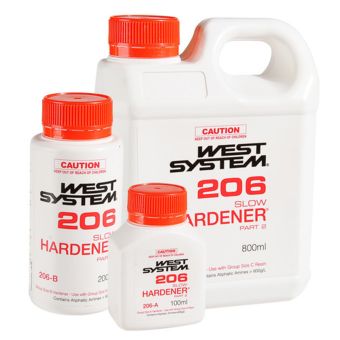
Epoxy resin products can be used above and below the waterline and, once sanded, offer an excellent finish for painting. Polyester resins are commonly used above the waterline and for fibreglass laminate repairs. Resins require a hardener or catalyst for curing.

Fillers, Additives and Fibreglass for Marine Applications

Combine resins with International and West System fillers and powder additives to achieve various densities and surface finishes. Low-density fillers allow easy sanding and are suitable for fairing and coving, while tough, high-density fillers offer strong adhesive and excellent gap-filling qualities.

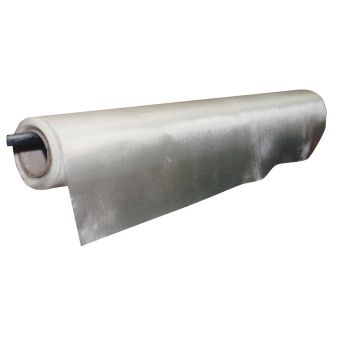
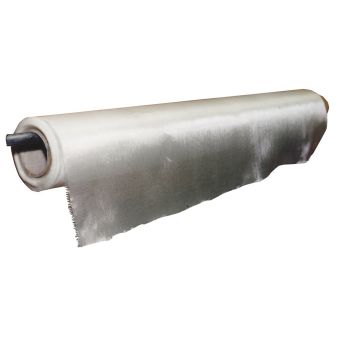
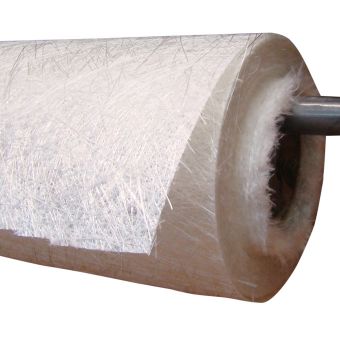
Shop fibreglass cloth rolls in weights from 100g to 450g per linear metre. Lighter cloths use less resin and are suitable for repairs where weight matters. Heavier cloths are better for high-load areas or concealed structural work. Popular cloths sold per metre include:

Epoxy Mixing and Application Accessories

Find the tools you need for easy epoxy work in our epoxying accessories range:

Use syringes and dispensing pumps to measure resin and hardener accurately, a resin spreader for a smooth finish, and pigment paste to tint repairs. Epoxy solvents from the accessories range help clean uncured epoxy from tools.

Shop Boat Putty and More Maintenance Supplies at Burnsco

Keep your boat in perfect condition with our marine fillers and related maintenance products, including primers and undercoats, top coat, varnish and teak oil, sealants and adhesives, paint brushes, rollers and trays, cleaners and polishes, and antifouling. Shop online or visit a Burnsco store near you. Need any help? Contact 0800 10 20 41 for assistance.

Frequently Asked Questions

Can marine filler be used on fibreglass, timber, and steel boats?

Yes, you can use resin fillers for repairing most boat materials. Polyester resins are best suited for fibreglass repairs, while epoxy resins can handle wood, fibreglass, aluminium, steel, alloys, and composites. Check product pages for material compatibility.

How long does marine filler take to cure before sanding or painting?

Curing can take anywhere from 30 minutes to 72 hours, depending on resin type, hardener speed, temperature, and mix ratio. Warmer conditions generally speed up curing. Need a quick fix? Look for ultra-fast or rapid resin products that can set in just five minutes.

How much resin or filler do I need for my repair?

The amount of resin and filler you need depends on surface area and required thickness. Check manufacturer guidelines to learn more about resin ratios and intended use.

Is epoxy filler compatible with antifoul paint?

Yes, epoxy is a good base for antifoul paint and is commonly used for below-waterline repairs. Make sure the epoxy is fully cured and properly sanded before applying antifoul, and check the paint manufacturer's guidelines for recommended primers or tie coats.

What safety precautions should I take when using marine fillers and resins?

Always work in a well-ventilated area and wear gloves, safety glasses, and a respirator when mixing or sanding resins. Dispose of waste resin and mixing containers according to your local hazardous waste guidelines. Full safety information is available on the product's safety data sheet (SDS).