

- 1.Driving
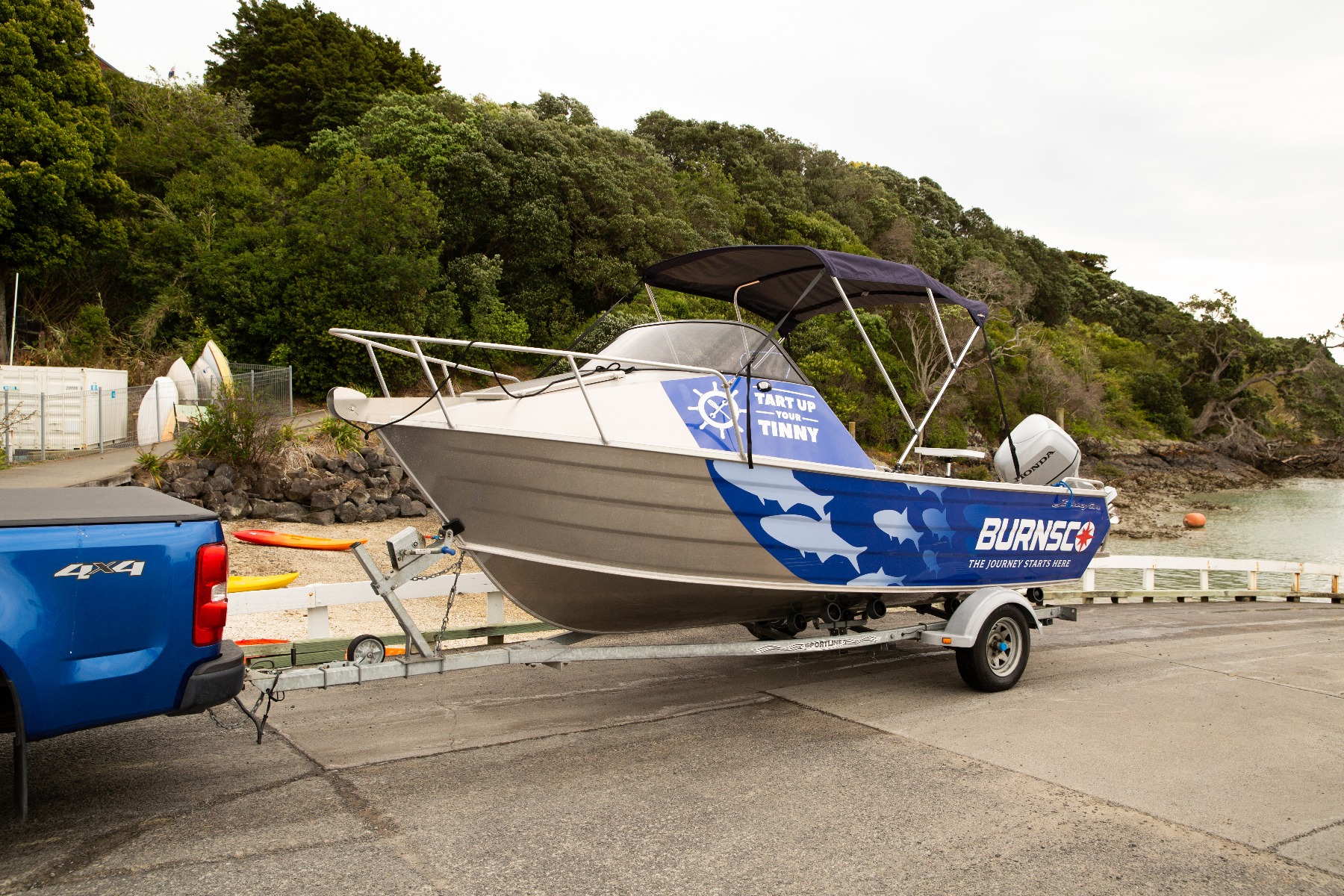
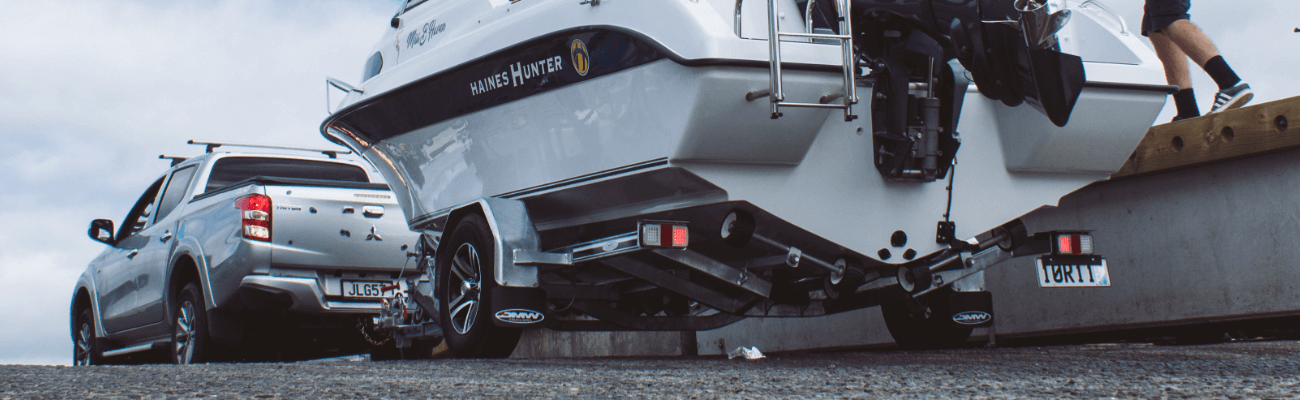
Whether you're taking your boat 100 metres down to the boat ramp or 100km north to the bach, you need to know how to drive properly while towing a trailer. The basics are not going more than 90kmh, keeping a four-second gap between you and the car in front and avoiding making sudden changes in direction. The AA has a good guide to towing and Burnsco stocks important driving accessories such as trailer lighting and towing mirrors.
- 2. Loading
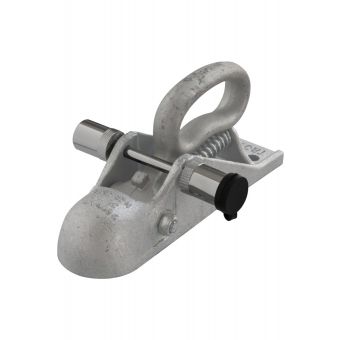
It's vital you understand your car's towing capacity; something which ought to be included in its owner's manual and make sure it has a properly mounted and maintained towing hitch. But remember that your boat will usually be described as a certain 'dry' weight so when determining whether your car is fine to tow your boat, add on extra kilos to account for fuel, accessories and all your gear that you've stowed away in storage. When driving make sure you have the right equipment (such as tiedown straps) to prevent your load from shifting about.
- 3. Launching and retrieving
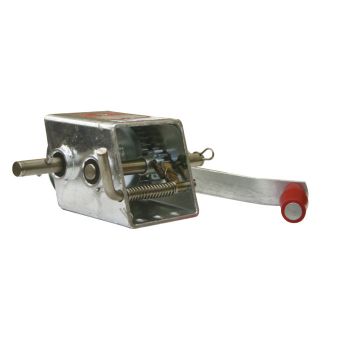
Weight, height, width and length will all determine how much power you need to be able to successfully launch and retrieve your boat – both in terms of your vehicle and you. Make sure you have enough people on hand to handle the boat in the water and your vehicle is able to contend with the steepness of the boat ramp or the soft sand if you’re launching off the beach. It’s also important that you have a suitable winch and cable for the weight of your boat.
- 4. Maintenance
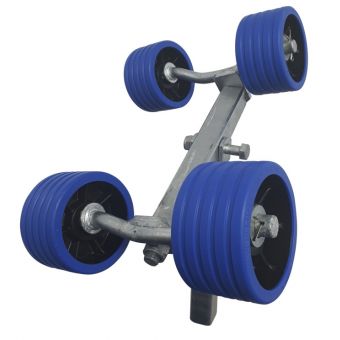
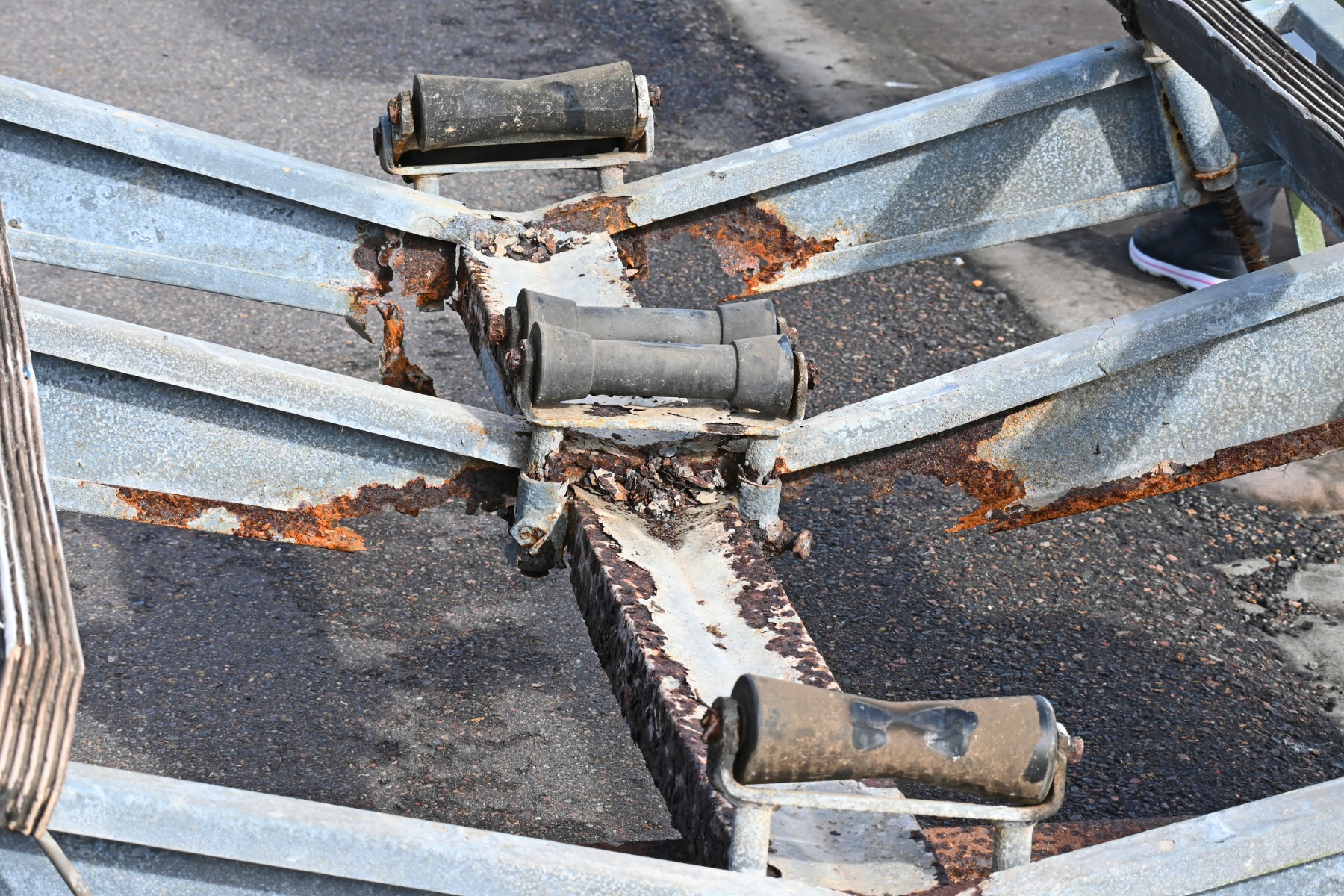
Because your trailer and lights are underwater at least twice during every boat trip you take, it’s important you keep everything in as good a condition as you would your boat. Keep the hubs well-greased; makes sure your brake, main and indicator lights are in working order before every trip; rinse the trailer every time you use it in salt water; check you have a spare tyre and jack which fits the trailer as well as your car; and check that all your rollers, stops and blocks are in good working order so they don’t mark or damage your boat.
- 5. Safety and security
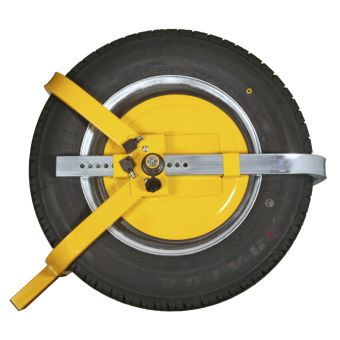
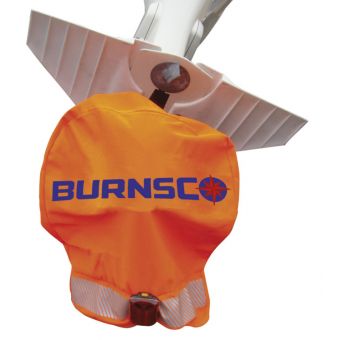
Both when your boat’s on the road and in the water, it’s important you keep the trailer safe and secure. This means being able to lock and disable the trailer with a wheel clamp while it’s parked up at the public boat ramp and also using an outboard flag bag to cover the propeller when you’re driving around.
For more information and tips on how to make sure your trailer is up to safety standards, phone us on 0800 102041, email us, or Livechat with one of our staff via the website.