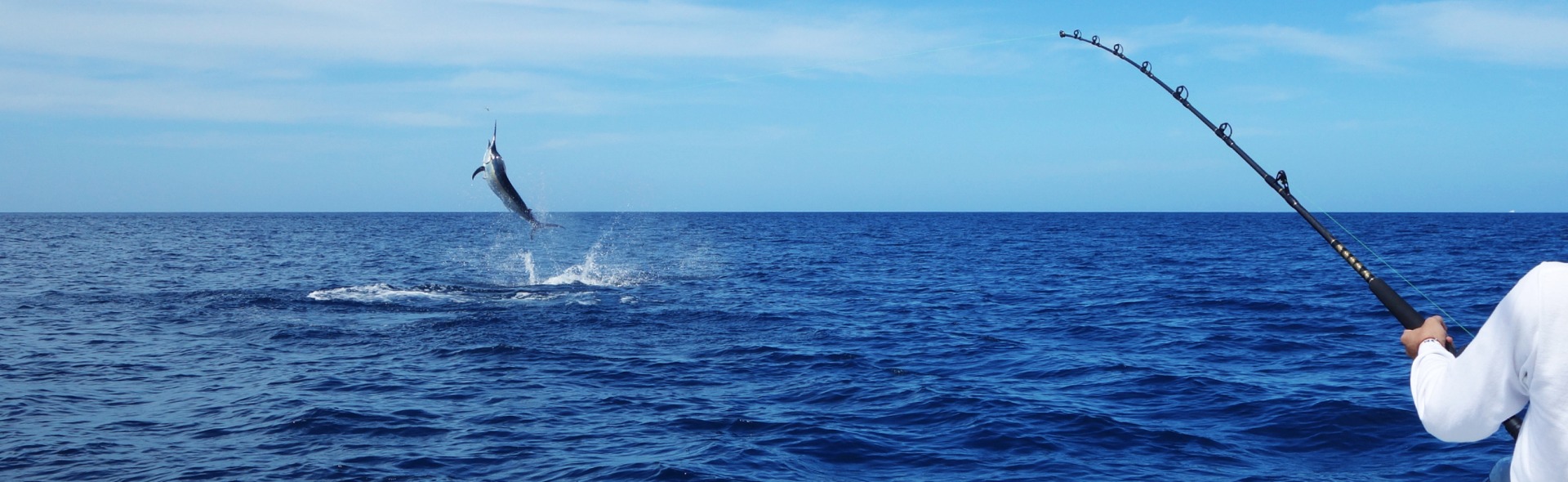


The state of many angler’s tackle boxes and fishing gear is often below par, with plenty of rusty hooks, damaged lures and unloved rods and reels. When that big fish hits and screams off taking line only to break away and earn its freedom, that angler will no doubt be upset and probably blame gear failure. Spending time and money out on the water hunting for that PB fish only to find it, hook up and then lose it because of a lack of gear maintenance is simply not cool.
After every fishing trip, all rods, reels, and tackle should be thoroughly washed down. Saltwater is your worst enemy and if you remove it then the tackle you spent all your hard-earned dollars on will repay you with more fish. A wet rag is a good idea to use over your rod and reel, don’t blast it with high water pressure from a hose.
Lures and jigs maintenance
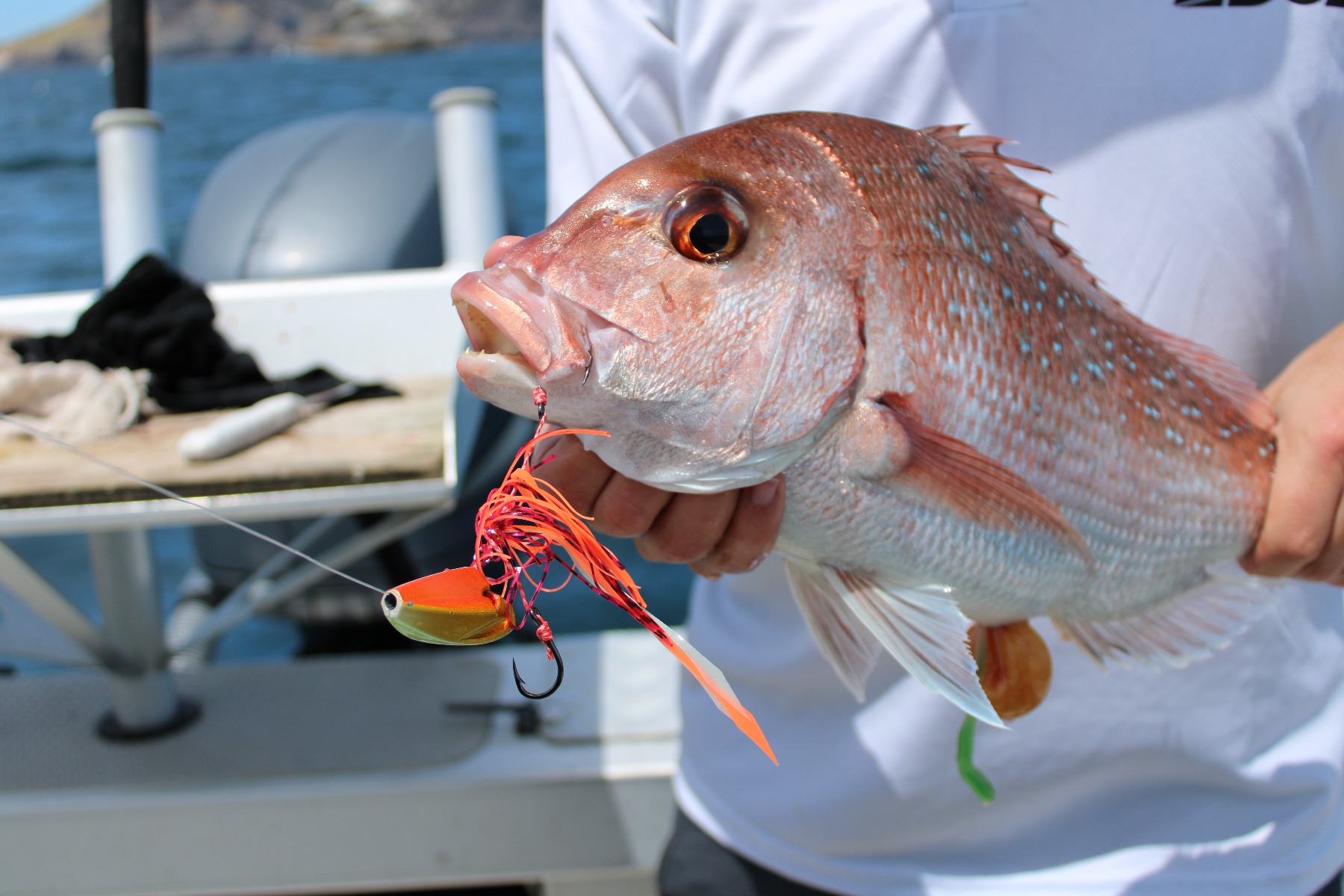
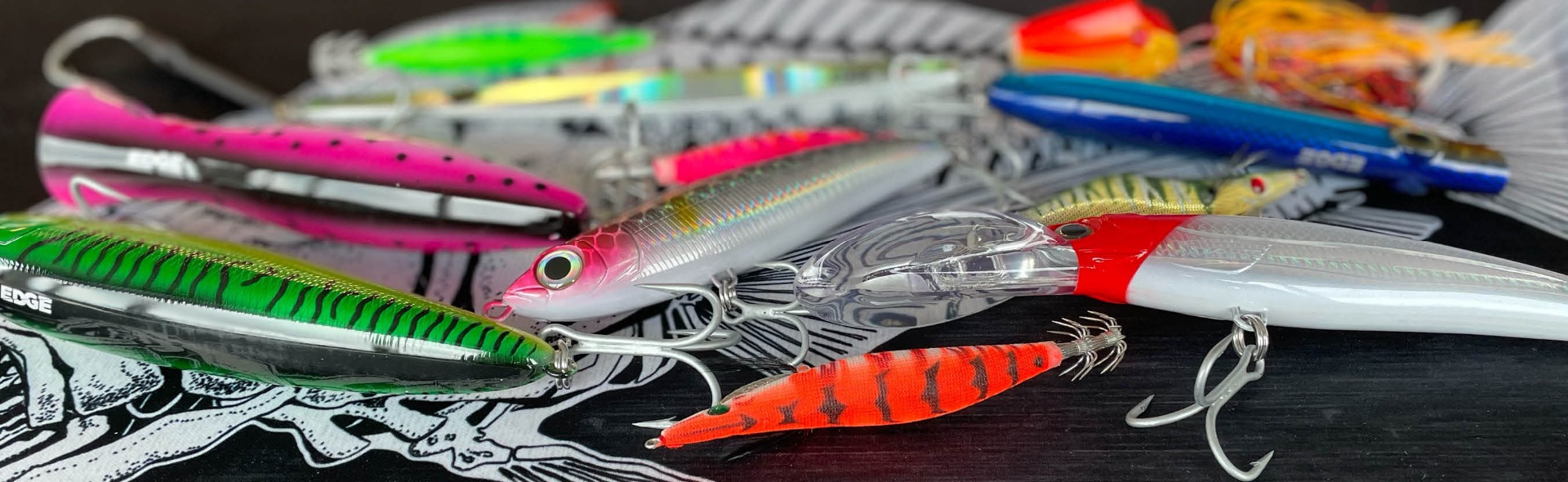
After fishing, throw your jigs and lures into a bucket of water and then lay them out on a rag or towel to remove excess water or leave to dry in the sun. This will remove salt and help prevent corrosion so you can fish with them again on your next trip out.
Give your lures a good once over and if some of the skirts or assist hooks need replacing. Remember jigs and lures can last for a long time and over several trips, but hooks get blunt, and skirts are damaged by fish, so you want them in good shape for the next outing.
Fishing tackle maintenance
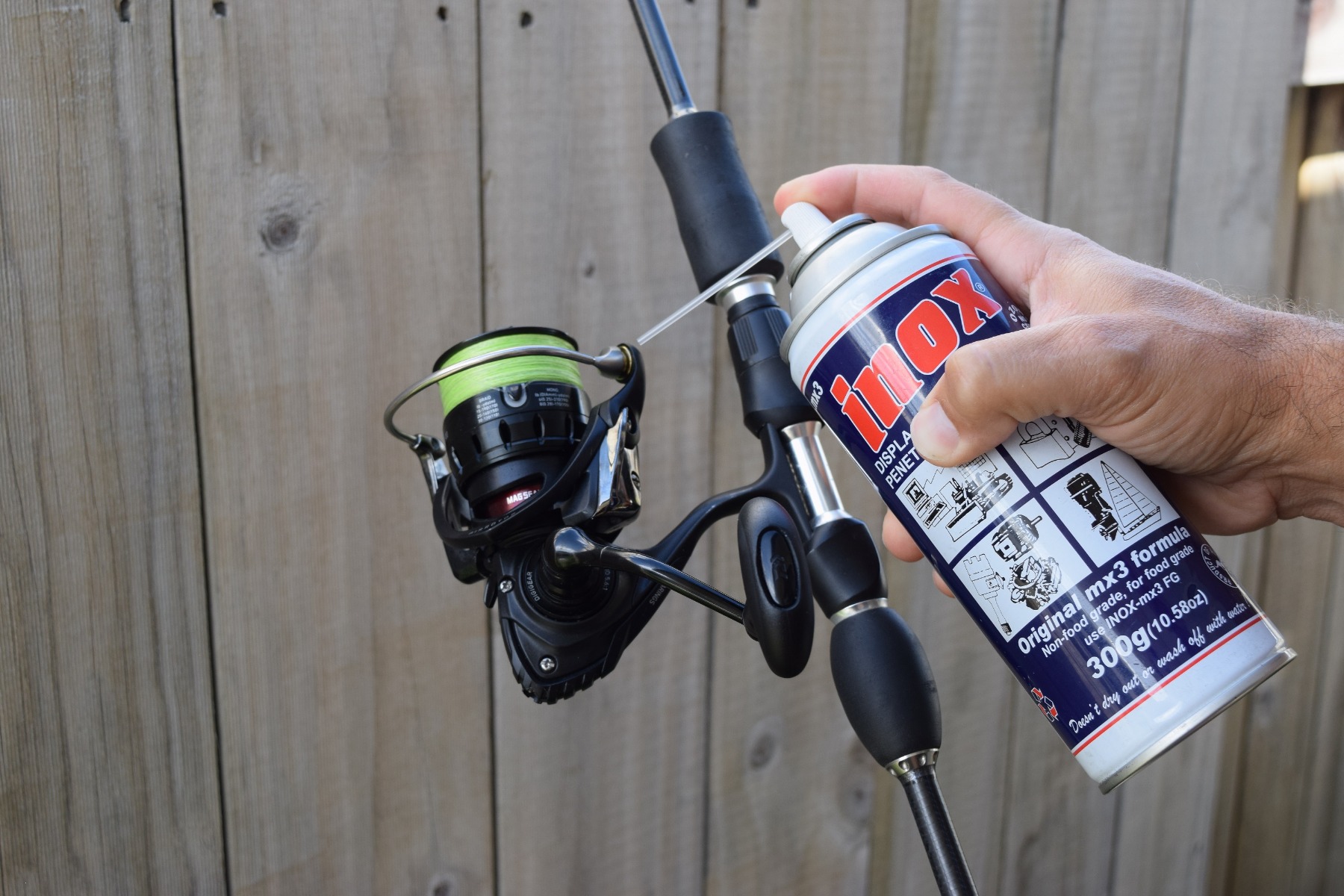
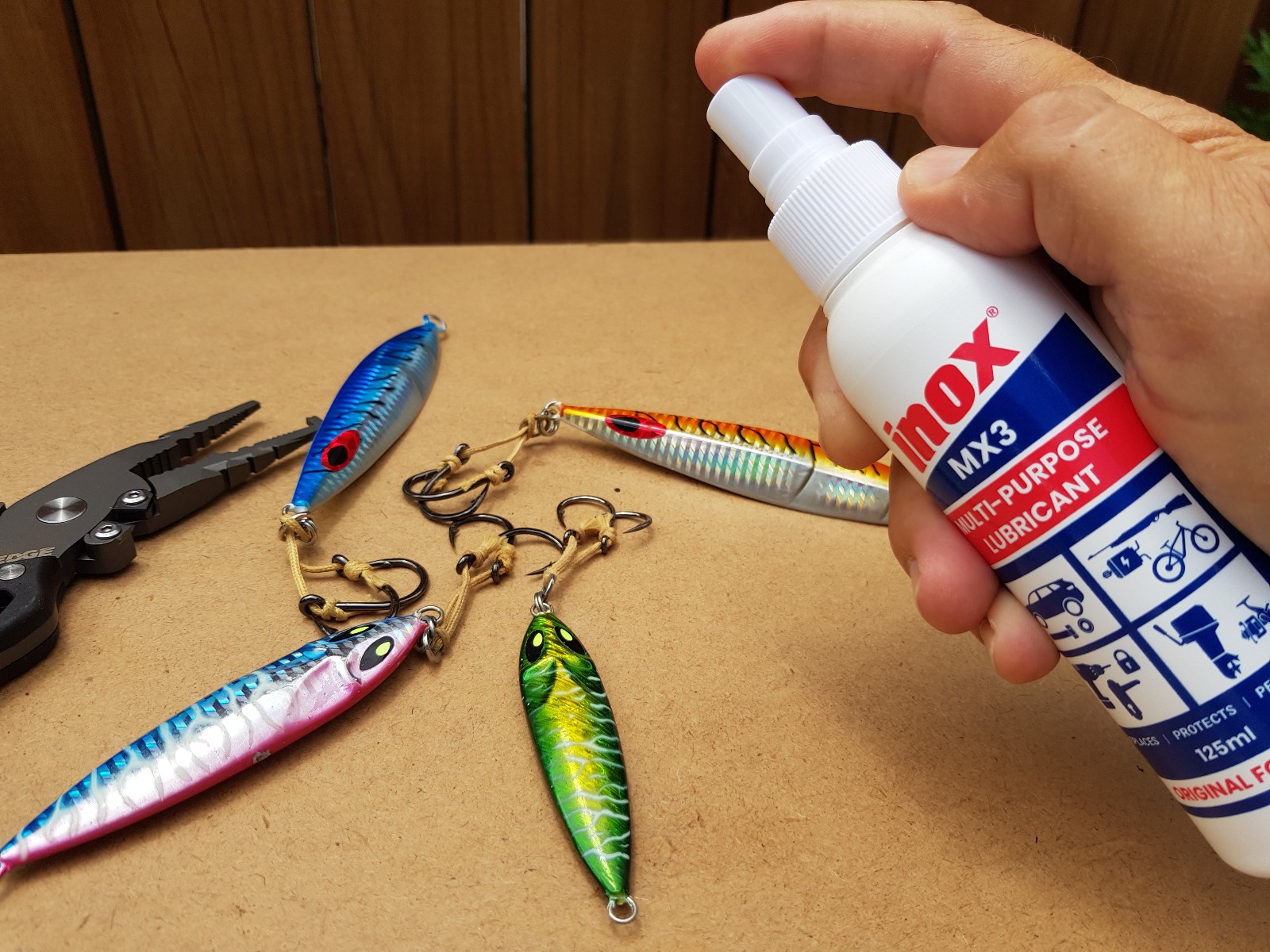
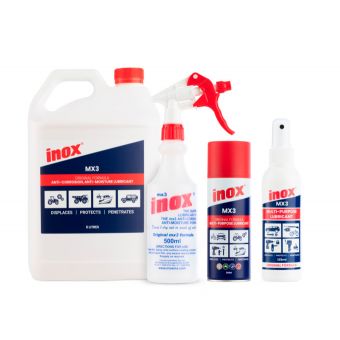
Spraying tackle down with Inox MX3 offers excellent protection from salt and corrosion. Don’t forget your rod guides, reel, pliers, or knife too, they can do with a rinse of fresh water after fishing, then dry down and with a spray of Inox. This will ensure your gear lasts longer and help catch more fish!
Reel maintenance
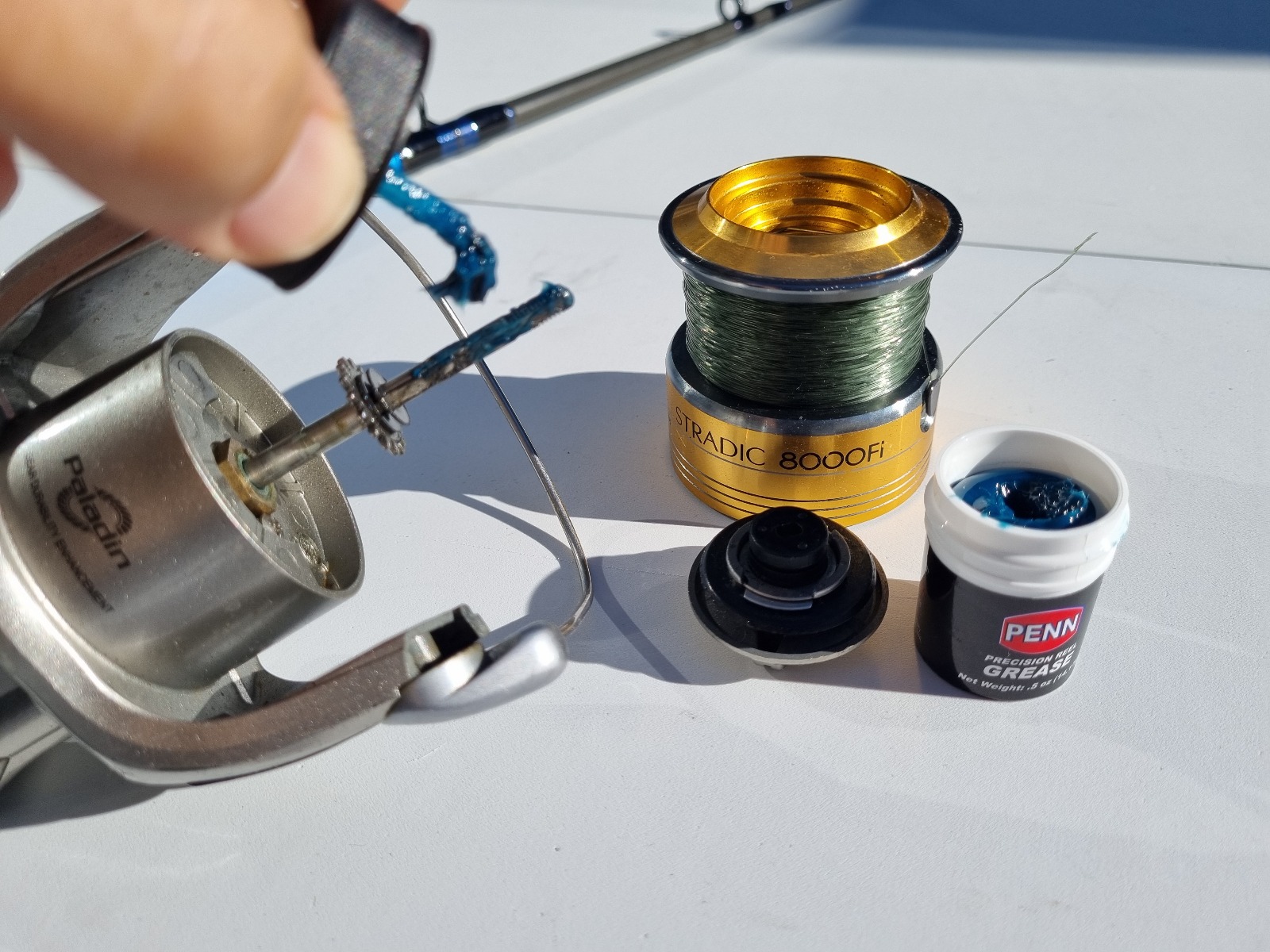
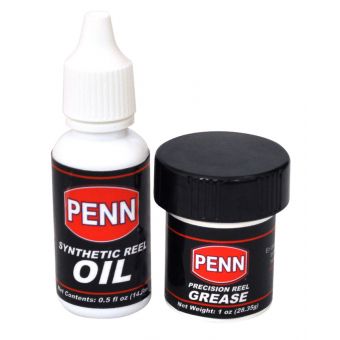
It’s important to give your reels regular maintenance as ball bearings and moving parts will rust and stop working when used in saltwater environments. Penn Precision Reel Oil is ideal for line rollers, handle knobs, ball bearings and worm gears. You need to keep important bearings lubricated and moving.
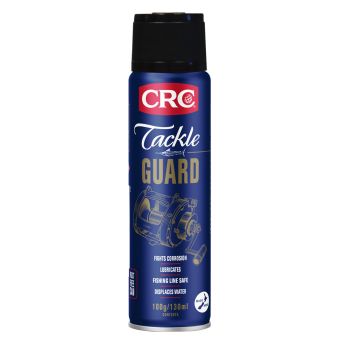
Penn Precision Reel Grease is vital and important for working parts on your reel such as the pinion and main gears, spool shafts and drag systems. While CRC Tackle Guard is used to spray down reels to help protect against corrosion, to lubricate and help displace water.
Rod repair
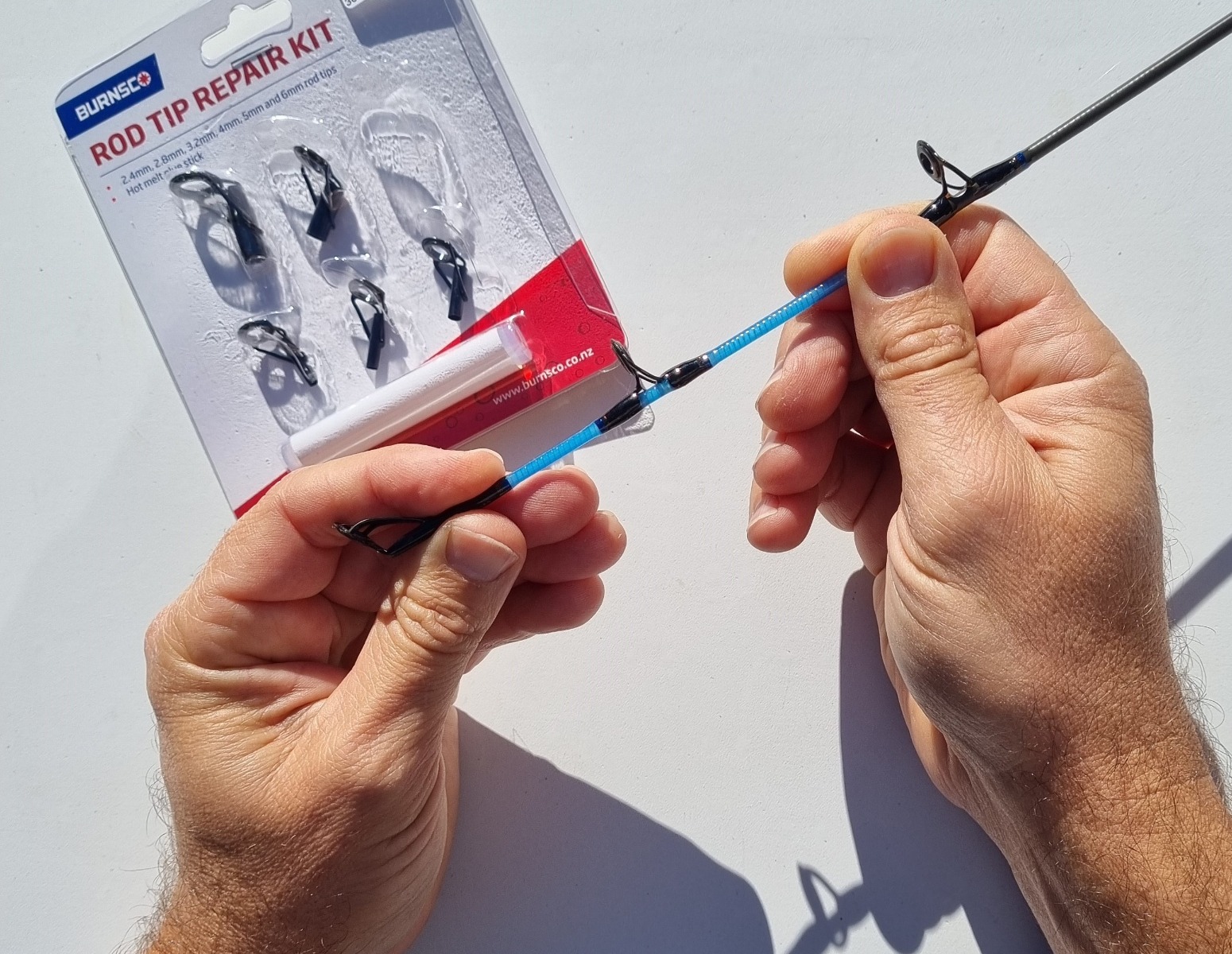
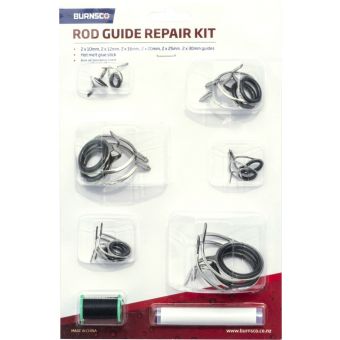
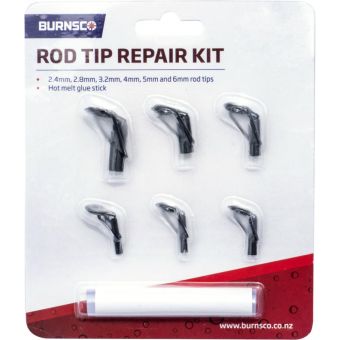
Rod guides are easily broken when out fishing but also easily repaired using Burnsco’s handy repair kits. A broken guide can damage or cut your line when casting or fighting a fish, so you need to replace it asap before heading back on the water.
After removing the damaged tip or guide with heat, melt the glue stick and apply tip guide to top of rod. Then heat the barrel end for 5 seconds and push tip onto rod, holding in place for 30 seconds for glue to set – simple!
Taking the extra 10 minutes at the end of the day to give your precious gear some TLC will pay off in the long term and you are better prepared to land that trophy fish next time out.
For more information on Burnsco's range of chartplotters and fishfinders phone us on 0800 102041, email us, or Livechat with one of our staff via the website.
Do you have any questions?
Please, contact our friendly team on 0800 102041 or email: website@burnsco.co.nz
We provide general information on products, not personal advice. Always seek the help of a relevant tradesperson if you have a technical query.