Why Carry a PLB
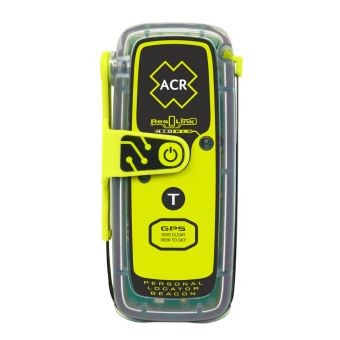
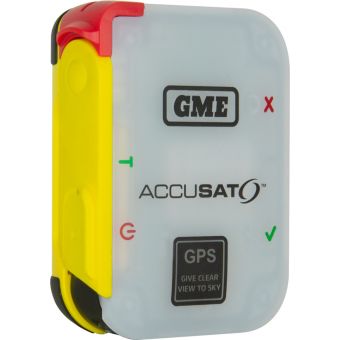
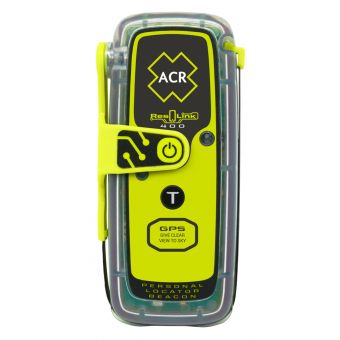
Once you're out of mobile range, you've got no way to call for help in a life-threatening situation. A PLB (emergency beacon) closes that gap. Activated by hand, the beacon transmits a 406 MHz distress signal to the Cospas-Sarsat satellite network, which relays your position to the Rescue Coordination Centre in New Zealand. Because every PLB is registered to its owner, emergency services can immediately identify you and your contacts to begin coordinating search and rescue.
An emergency PLB earns its place anywhere help is out of easy reach:
- Tramping and hunting: deep bush, alpine routes, multi-day trips beyond cell range
- Kayaking and paddling: lakes, rivers, and coastal trips where you're separated from your vehicle
- 4WD and overland travel: remote tracks where help is hours away
- Camping and backcountry skiing: anywhere you're far from sealed roads
- Lone workers and farmers: working alone in remote areas where injury would otherwise go undetected
A PLB doesn't replace good preparation, suitable safety gear, or letting someone know your plans. It's the last line of defence when those things aren't enough.
Choosing the Right PLB
Every quality PLB should have:
- Built-in GPS for positioning to within a few metres
- 406 MHz Cospas-Sarsat satellite transmission for global coverage
- 121.5 MHz homing signal so rescuers can zero in once they're close
- Strobe light (visible and infrared) for visibility in low light
- Minimum 24-hour transmission time once activated
- 5-7 year battery life from the manufacturing date
- Waterproof construction (IP68 or equivalent)
Consider the following features:
Return Link Service (RLS)
This is a newer feature that confirms the satellite network has received your distress signal, as shown by a flashing indicator on the beacon. It removes the agonising "did the signal get through?" question during an emergency.
Automatic Identification System (AIS)
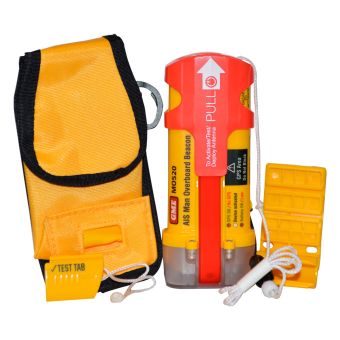
AIS alerts nearby vessels equipped with AIS receivers, useful for kayakers and small-craft users who might be passed by larger boats in coastal waters.
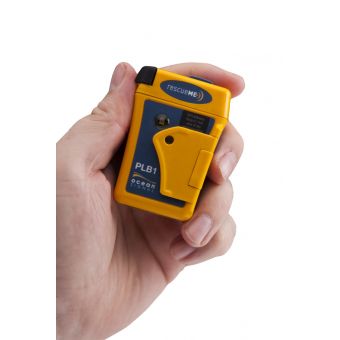
Modern PLBs weigh 115-250g and fit in the palm of your hand. Clip-on designs, lanyards, and integration with PFD inflation tubes all keep the beacon accessible without taking up pack space.
PLB Accessories and Storage
A PLB device is only useful if you can reach it fast. Burnsco stocks accessories that keep your beacon secure and accessible:
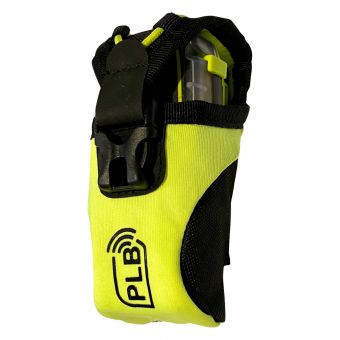
- Carry pouches with belt loops and Velcro for attaching to packs, belts, or PFDs
- Floatation pouches for extra buoyancy on water-based trips
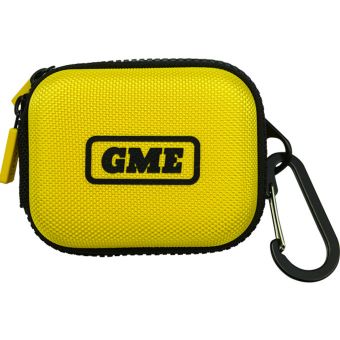
- Semi-hard carry cases for protected storage between trips
- Multifunctional clips for attaching to webbing, harnesses, and gear loops
Store your PLB somewhere dry and accessible between trips, run the self-test function monthly to confirm it's working, and check the battery replacement date well before it expires. A beacon with a flat or expired battery is worse than carrying nothing, because you'll head out assuming you're covered when you're not.
Shop Safety Gear at Burnsco
Whether you're heading into the bush, paddling out for the day, or working alone on remote land, Burnsco stocks the safety gear that gets help to you when you need it. Shop PLBs for sale and order online for 1-hour click & collect, pop in-store for a chat, or call us on 0800 10 20 41. Browse our EPIRBs, flares & signalling devices, and first aid kits to round out your safety gear.
Frequently Asked Questions
How does a PLB work?
Activation is deliberately simple, since you might be injured or panicking when you need it. You deploy the antenna and hold the button for a couple of seconds. From there, the beacon sends a 406 MHz signal to a network of search-and-rescue satellites, which calculate your position (down to a few metres with built-in GPS) and pass it to rescue authorities. As they close in, a 121.5 MHz homing signal and a strobe light guide them to you. The whole chain runs on satellite, so it works with no mobile or Wi-Fi signal anywhere on the planet.
Are PLBs waterproof?
Yes. Most quality PLBs are rated IP68, the highest common waterproof rating, meaning they can be fully submerged rather than just splashed. Many also float on their own without needing a separate pouch, which makes them just as at home on a kayak or boat as on a bush track.
What is the difference between a PLB and an EPIRB?
Both are 406 MHz distress beacons that work through the same Cospas-Sarsat satellite network, but they're built for different situations:
PLBs are personal, compact (palm-sized), and registered to an individual. They're carried on your body or in your pack, with 24-hour transmission time and 5-7 year battery life.
EPIRBs (emergency position indicating radio beacons) are designed specifically for vessels. They’re larger and registered to a boat rather than a person, with a 48-hour minimum transmission time and a 10-year battery life. Float-free models activate automatically if the boat sinks.
If you split your time between land and sea, a PLB is the more versatile pick. If you're mainly offshore on a vessel, an EPIRB is the standard.
How should I store my PLB when not in use?
The golden rule is accessibility: a PLB buried at the bottom of a pack or locker is no use when seconds count. Keep it somewhere dry, out of direct sun, and easy to grab, ideally clipped to your pack or stored in a marked pouch. A semi-hard case protects it from knocks between trips. Run the monthly self-test to confirm it's working, and keep an eye on the battery expiry date.
Do PLBs require registration?
Yes. Every PLB sold in NZ must be registered with the Rescue Coordination Centre at beacons.org.nz. Registration is free and lets emergency services pull up your details (and your emergency contacts) the moment your beacon activates. Update your registration whenever your contact details change, or if you sell it.