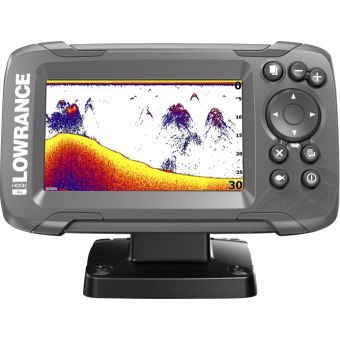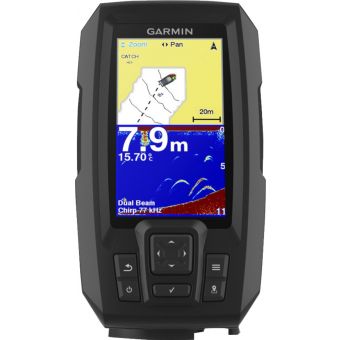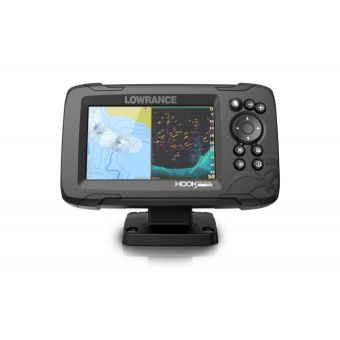


Whether you're fishing from a kayak, a small trailer boat or a larger launch, a fishfinder can take much of the guesswork out of finding fish and understanding what's happening beneath the water. Modern fishfinders do far more than simply show fish on a screen. Many units combine sonar, GPS mapping and chartplotting technology to help you locate structure, mark productive fishing spots and navigate with confidence.
With so many options available, choosing the right fishfinder can feel overwhelming. This guide covers the key things to consider so you can find the best unit for your fishing style and budget.
What is a Fishfinder?
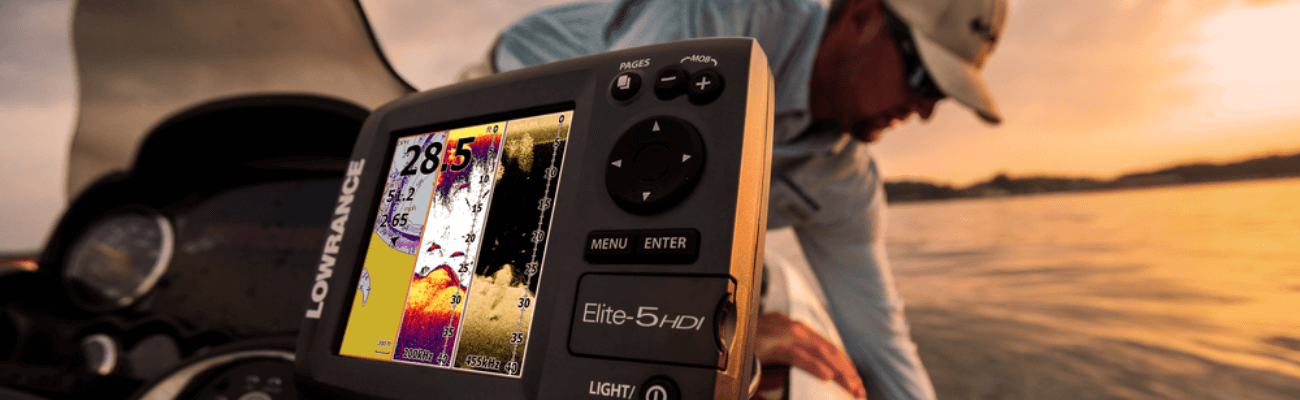
A fishfinder uses sonar technology to create a picture of what's happening beneath your boat. It works by sending sound waves through the water and measuring how they bounce back from fish, the seabed and underwater structures.
The information is displayed on a screen, allowing you to identify fish, bait schools, reefs, drop-offs and changes in bottom terrain.
Many modern units also include GPS and chartplotting functions, making them valuable navigation tools as well as fish-finding devices.
Fishfinder or Chartplotter: What's the Difference?
One of the first decisions you'll need to make is whether you want a standalone fishfinder or a fishfinder with built-in chartplotting.
Fishfinder Only
A fishfinder-only unit focuses on displaying sonar information beneath the boat. These are often a good option for anglers who fish familiar waters and don't need navigation features.
Fishfinder and Chartplotter Combo
A combo unit combines sonar and GPS mapping in one display. This allows you to:
- Mark productive fishing spots
- Navigate safely back to the ramp
- Follow depth contours and channels
- Track drift lines
- Return to successful locations with accuracy
For most recreational anglers, a fishfinder and chartplotter combo offers the best value and functionality.


Choosing the Right Screen Size
Screen size plays a big role in how easy your fishfinder is to use on the water. While larger screens typically come with a higher price tag, they can make a significant difference when it comes to viewing sonar returns, navigation charts and important information at a glance.
4 to 7 Inch Displays
These compact units are popular for kayaks, small boats and anglers looking for a simple setup. They provide excellent functionality while taking up minimal space and are often more affordable than larger models. For casual fishing trips and smaller vessels, a 5 to 7-inch screen can offer everything you need while keeping your electronics setup straightforward and easy to manage.
7 to 9 Inch Displays
This is often the sweet spot for many trailer boats. The larger screen makes it easier to view sonar and charts at the same time, giving you a clearer picture of what's happening both above and below the water. For anglers who regularly fish new locations or spend long days on the water, a 7 to 9-inch display provides a good balance of screen size, functionality and value.
9 Inch and Larger Displays
Larger screens are ideal for serious anglers who spend plenty of time on the water and want maximum visibility when navigating, searching for fish and monitoring sonar data. The extra screen space allows for multiple views to be displayed simultaneously, making it easier to track structure, follow contours and interpret sonar returns.


Understanding Sonar Technology
Not all sonar systems are the same. Modern fishfinders offer significant improvements in clarity and detail compared with older models.
CHIRP Sonar
CHIRP sonar has become the standard across most modern fishfinders.
By transmitting across a range of frequencies rather than a single frequency, CHIRP provides:
- Better target separation
- Improved fish detection
- Greater detail around bottom structure
- Clearer images at a wider range of depths
For most anglers, choosing a unit with CHIRP sonar is highly recommended.
Side and Down Imaging
Some premium fishfinders include technologies such as SideScan, SideVu or DownScan.
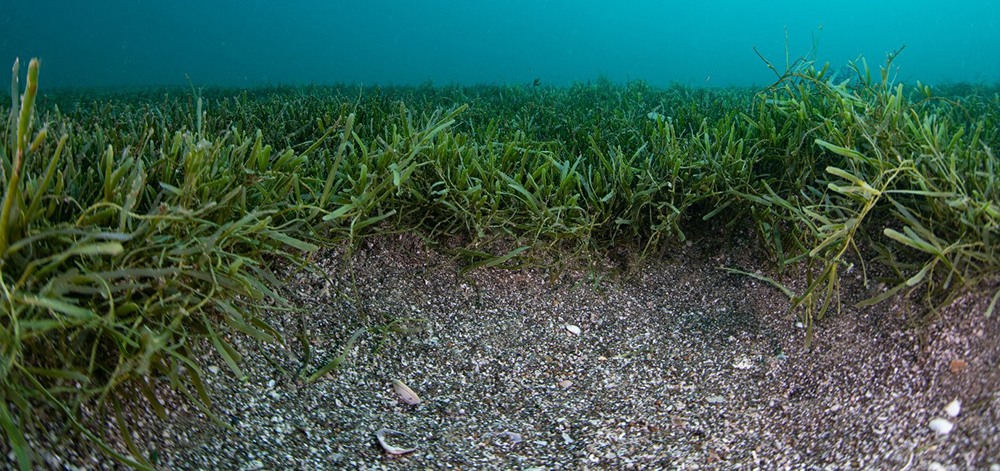
These features provide enhanced views of underwater structures, reefs, weed beds and bait schools, helping anglers cover more water and locate productive areas more efficiently.
Choosing the Right Fishfinder for Your Boat
The best fishfinder often depends on the type of vessel you're fishing from, how you use your boat and the waters you spend most of your time in. A setup that works perfectly on a small harbour boat may not suit offshore fishing, and vice versa.
Kayaks
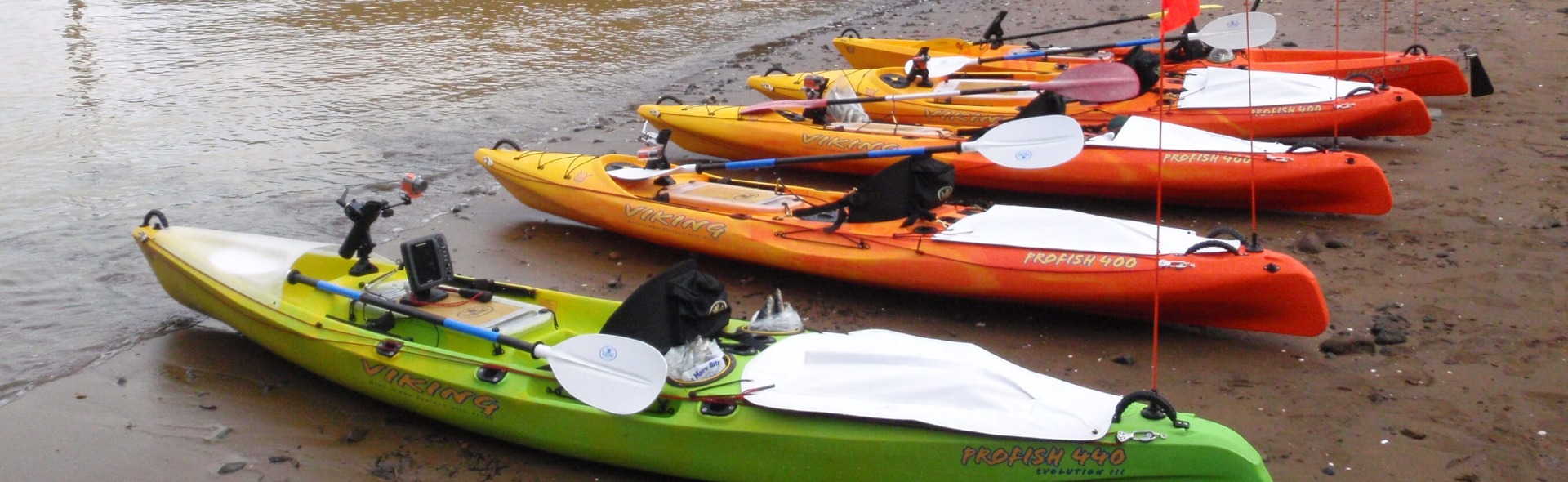
Compact units with 4 to 5-inch screens are popular due to limited mounting space and power requirements. Many kayak setups now include fishfinder and chartplotter combinations, making it easier to navigate and find structure without needing multiple devices. For kayak anglers, portability and battery efficiency are key. Simple mounting systems, lightweight transducers and easy-to-read displays help keep the setup practical.
Small-Medium Trailer Boats
A 7 to 9-inch combo unit offers a strong balance of screen size, functionality and value. GPS mapping and chartplotting are particularly useful when exploring reefs, channels and new fishing spots. Split-screen functionality is a big advantage here, letting you view sonar and your position at the same time.
Larger Boats and Launches
Larger vessels often suit bigger displays and more advanced features such as enhanced sonar, radar integration and networked electronics. With more space at the helm, larger screens are easier to view at a glance, especially in rougher conditions. Many offshore anglers also prefer systems that can be expanded over time, adding features like live sonar or additional transducers as needed.


Don't Forget the Transducer
The transducer is one of the most important components of any fishfinder system.
It is responsible for transmitting and receiving sonar signals, directly affecting the quality of the information displayed on screen.
Common installation options include:
- Transom-mounted transducers
- Through-hull transducers
- In-hull transducers
The right choice will depend on your boat type, hull construction and intended use.
Set a Budget That Matches Your Needs
Fishfinders are available across a wide range of price points.
If you're new to fishing electronics, a quality entry-level fishfinder with CHIRP sonar and GPS mapping can provide everything needed for successful days on the water.
More advanced units add features such as larger displays, enhanced sonar technology, detailed charting, networking capabilities and live sonar functionality.
The key is choosing a unit that suits your style of fishing rather than paying for features you'll never use.
Choosing the right fishfinder doesn't need to be complicated.
Start by considering where you fish, the type of boat or kayak you own and the features that will genuinely improve your time on the water. For many anglers, a fishfinder and chartplotter combo with CHIRP sonar offers the ideal balance of performance, ease of use and value.
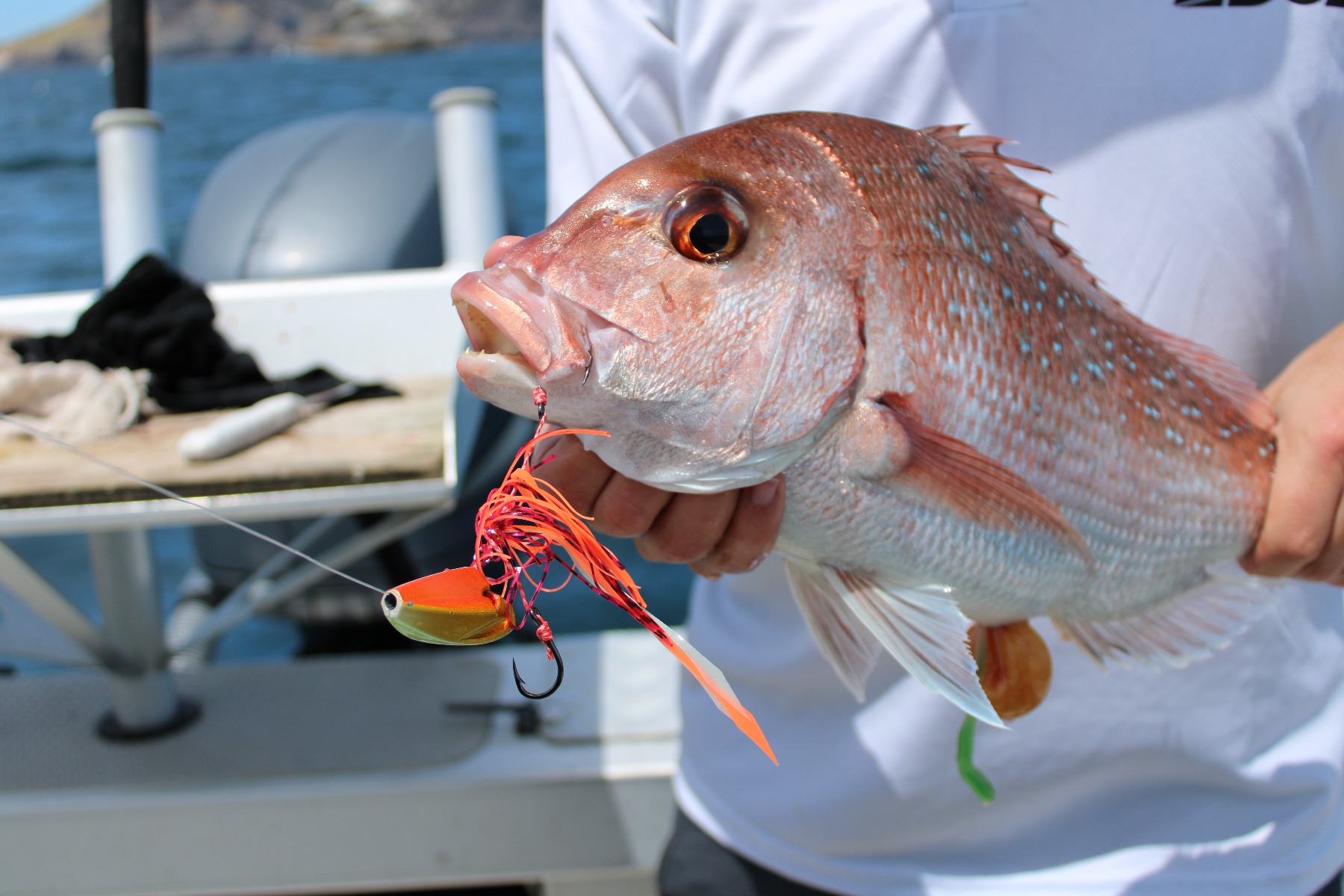
Whether you're targeting snapper in the Hauraki Gulf, kingfish around offshore structure or exploring new fishing grounds, the right fishfinder can help you spend less time searching and more time catching.
If you're unsure which model is best for your setup, visit your local Burnsco store or speak with our team for expert advice on choosing the right fishfinder for your next adventure.